SUSTAINABLE GARDENING: HOW TO CONSERVE WATER
There are an array of approaches when it come to water conservation. Below are some simple steps that you can take maximize your water usage. By following these tips, you will find you are watering less and with better results.
- Aerate Lawn – This allow water a more direct route to the roots of your lawn.
- Drip Irrigation – Drip irrigation allows you to target specific plants or areas, and since there is a slower, steadier flow, the plants absorb more.
- Integrated Pest Management – Anytime you can mitigate any outside influences, the better off you are.
- Irrigation Maintenance – A fine tuned irrigation system is an efficient system. A small leak can lead to a significant, and unabated, loss of water.
- Mowing – Proper length of the grass means the grass needs less water, and has a more vibrant appearance.
- Mulch – Mulch aides in keeping moisture in and limits evaporative loss.
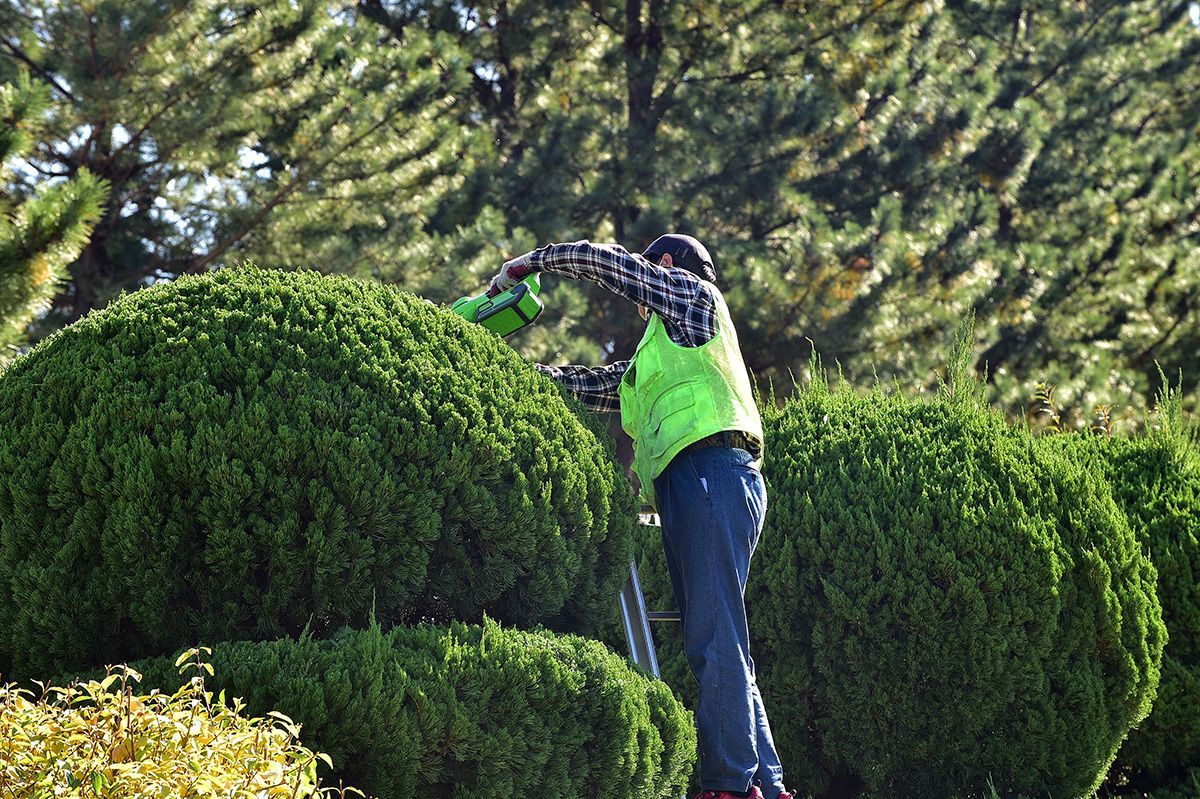
- Pruning – Proper pruning ensures the plant will grow stronger, and not waste energy on nourishing shoots that are unhealthy.
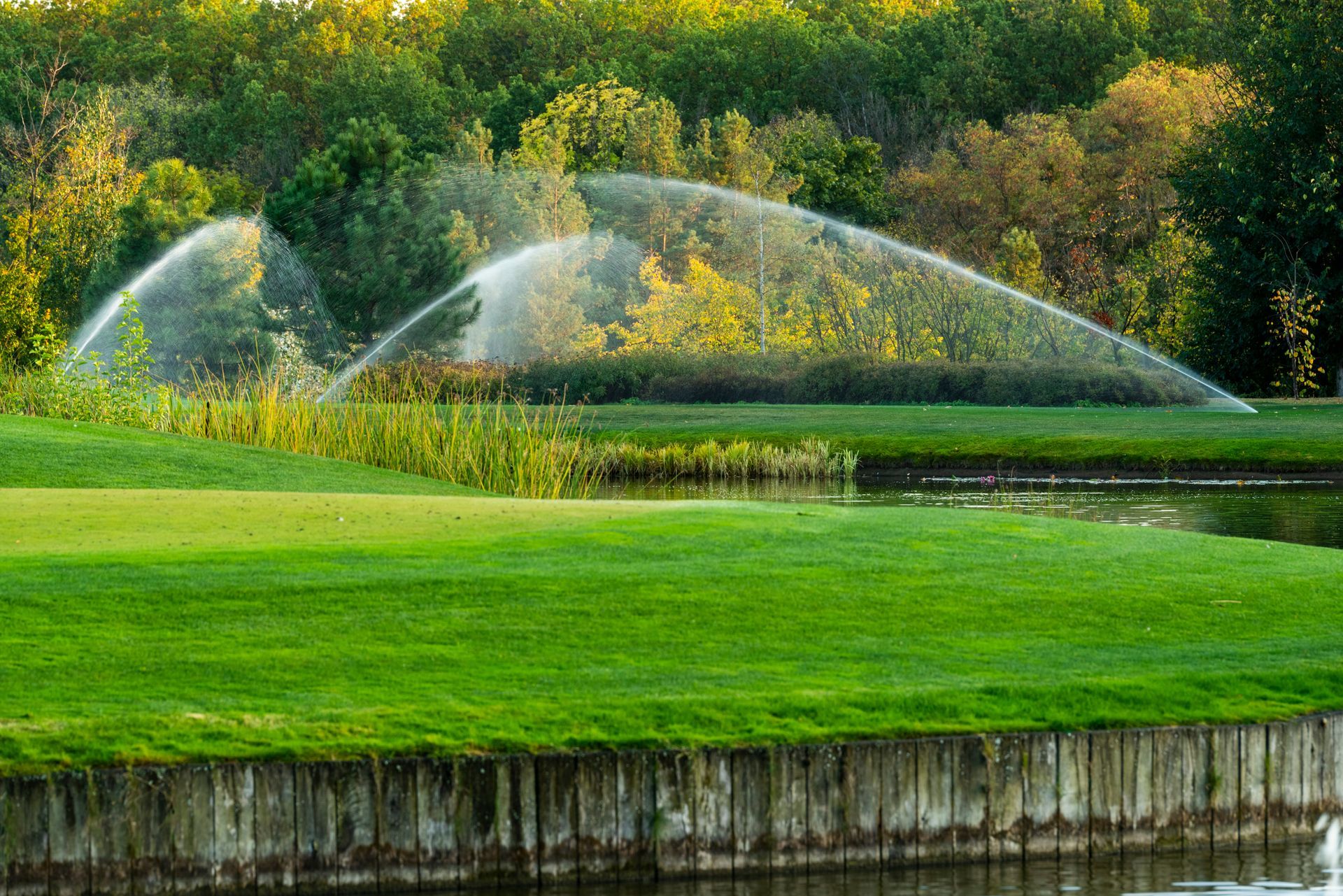
- Sprinklers – Sprinklers afford the operator a more controlled distribution of water, by both zone and time. Most notably, it allows for systemic and controlled modifications to be made.
- Sweeping – This will remove the dead grass that lies underneath the healthy blades of grass and the soil, thus removing a barrier for the water to get to the roots of the healthy blades. The longer the water is on top of the soils, and not in the soil itself, the more water that can evaporate.
- Weeding – Plants compete for water, and the more roots in the soil the less each plant gets. Removing unwanted vegetation ensures that the plants that are the centerpieces of your landscape receive the necessary amount of water.
While there are a number of other ways that you may conserve water, these few steps are a great starting point. You will see results, and anytime you can recognize greater efficiencies it encourages you to look further. Coupled with these steps you may want to consider, depending on the physical properties of your outdoor space, a wall, or porous pavers, or possibly even a rain harvesting system. The options are endless when it comes to conserving water.
Visit our page on sustainability for more on how EAQ (formerly E.A. Quinn) puts the environment first.