How CAD Drives Accuracy, Approvals, and Control in Commercial Landscaping
Computer based design turns site concepts into exact build plans before work starts. Every path, slope, pipe, and plant location is defined in one shared file, giving crews, inspectors, owners, plus towns the same view. On large commercial properties, this clarity cuts errors, limits rework, and keeps costs steady by aligning planning, field execution, and approvals from day one.
At EAQ (formerly E.A. Quinn), designs become live job files. Crews load drawings on tablets, follow grades and layouts, and record any changes on site. Project leads send the same file to towns and owners, so approvals, installs, plus updates stay in sync.
Digital Design Used From Day One
Professional commercial landscapers begin with CAD at the planning stage. Property surveys, site limits, utilities, and zoning rules are built into the drawing early. This allows design issues to surface before permits or construction start.
Site Planning with Real World Data
CAD allows survey data to be imported directly into the landscape design file. Elevations, contours, and boundaries stay accurate and to scale.
Using Contour Lines for Slope Review
Designers review slopes digitally to confirm drainage, walkability, and safety. This helps prevent erosion, pooling water, and code issues tied to grading.
Bringing in Survey Data
Digital imports reduce manual errors. Alignment, scale, and reference points remain consistent across every drawing revision.
Coordinated Hardscape and Planting Layouts
Walkways, walls, plazas, planting zones, and tree spacing are planned together. This prevents conflicts between features and utilities.
Standard design libraries allow consistent materials and spacing while still fitting each site. The result is a clean layout that crews can install without guesswork.
Irrigation & Drainage Planning That Meets Rules
Water systems are designed within the same CAD file as the landscape plan. Irrigation zones, drainage paths, and stormwater controls stay coordinated.
This helps confirm local water rules, slope limits, and runoff controls before submitting the permit.
Lighting Plans Clients Can Review
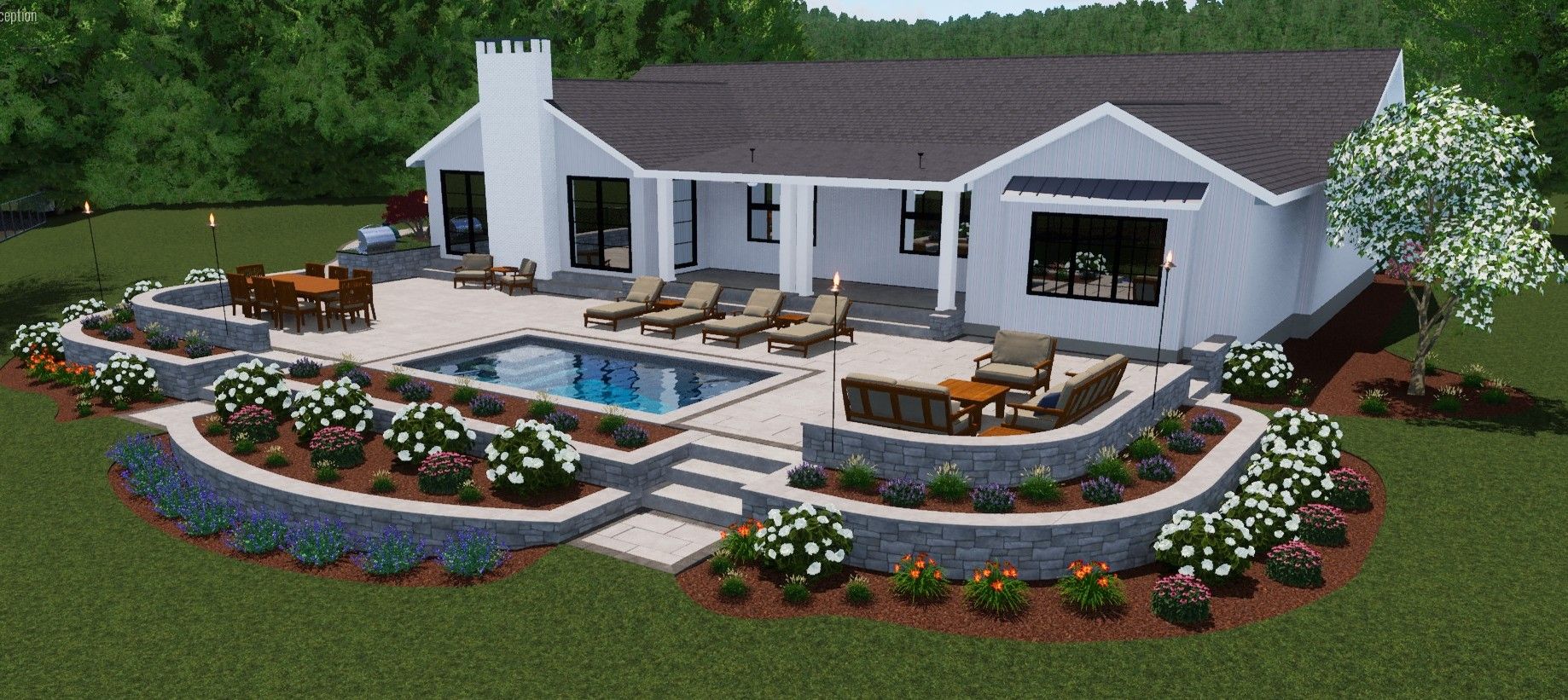
Lighting layouts are easy to review through digital plans and visual views. Clients can see coverage, spacing, and impact before installation.
This improves approval speed and avoids lighting changes after fixtures are placed.
CAD Landscaping Records Play a Critical Role in Daily Operations
When working at office parks, hospitals, or school campuses, digital plans can show the location of underground power, data lines, irrigation piping, and drainage systems before any work begins. This helps crews avoid cutting live cables, breaking water lines, or shutting down parts of an active facility.
For occupied campuses, this reduces service interruptions and prevents damage that could impact tenants, patients, or students.
Permit Reviews and Town Approvals
CAD enables early review of zoning limits, access rules, tree protection areas, and setbacks. This reduces permit risk and inspection delays.
When
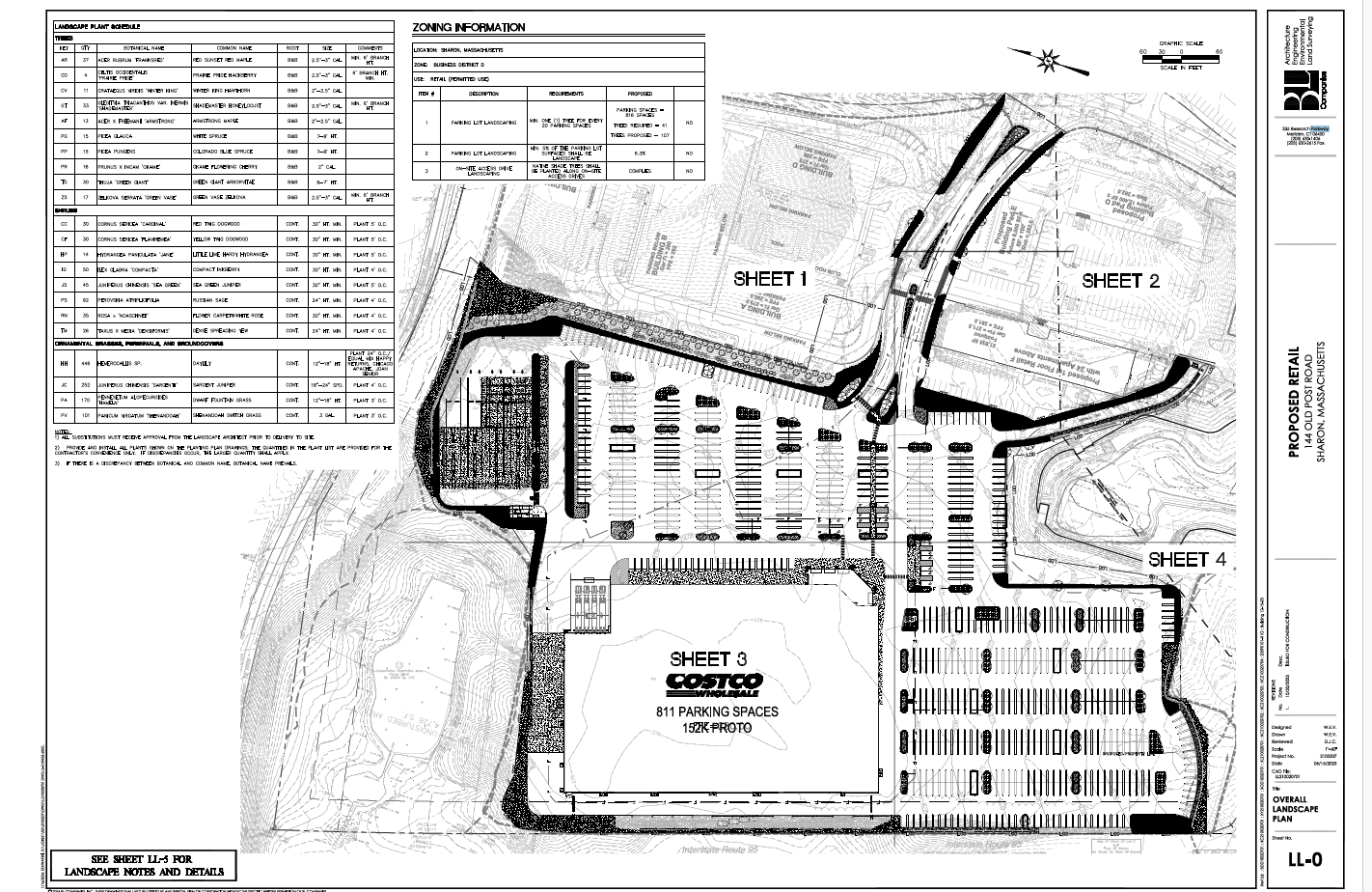
landscaping plans are submitted for permits or town review, CAD drawings provide clear measurements, slopes, setbacks, and system layouts.
This way, when we go before a town council, review boards can verify compliance without guessing intent. This reduces revision cycles and shortens approval time.
CAD Files Provide Long Term Site Records for Owners
For property owners and facility managers, CAD files become part of the site record. Future repairs and upgrades begin with known conditions instead of assumptions.
This protects infrastructure and reduces long term risk.
Why This Matters When Choosing EAQ (Formerly E.A. Quinn)
Because we invest in CAD design and digital records, we operate differently. We plan more carefully, communicate more clearly, and deliver fewer surprises.
For large commercial properties, that difference shows up in smoother projects, better documentation, and long term site control.
When you partner with EAQ (formerly E.A. Quinn), the approach is not about technology. It is about predictability, accountability, and protecting the value of your property.