Schools and Universities Grounds Maintenance: Mulching, Turf and Seasonal Tips
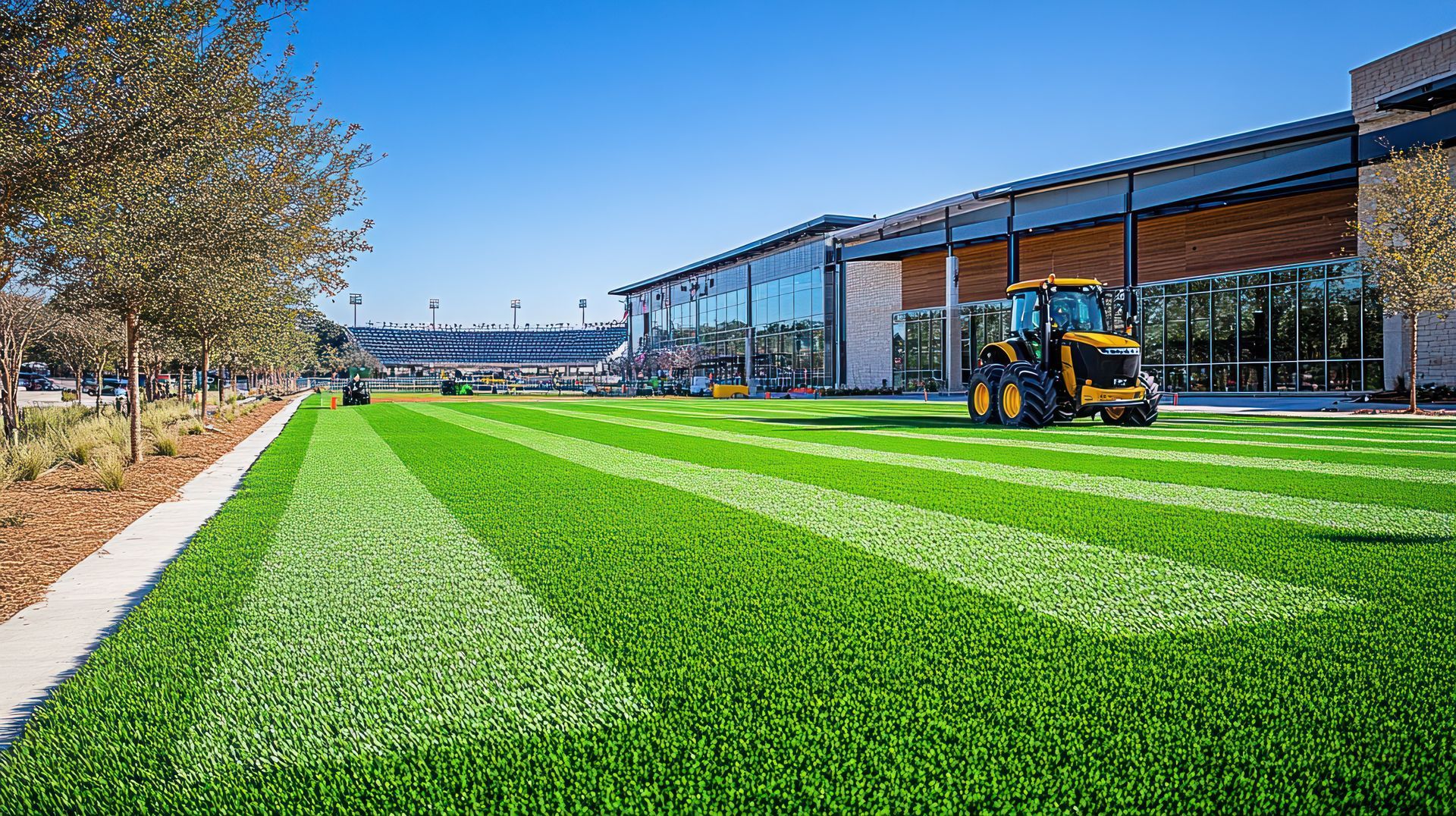
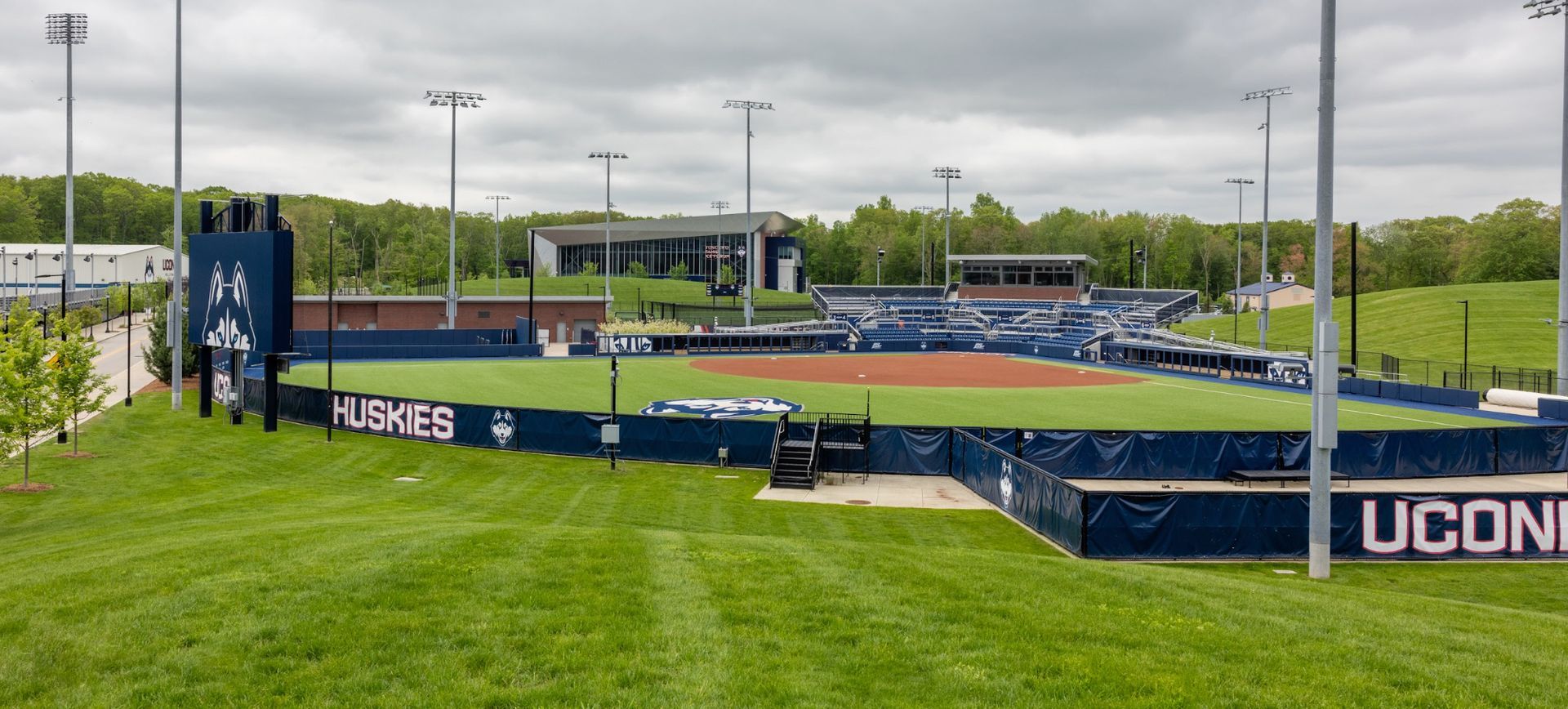
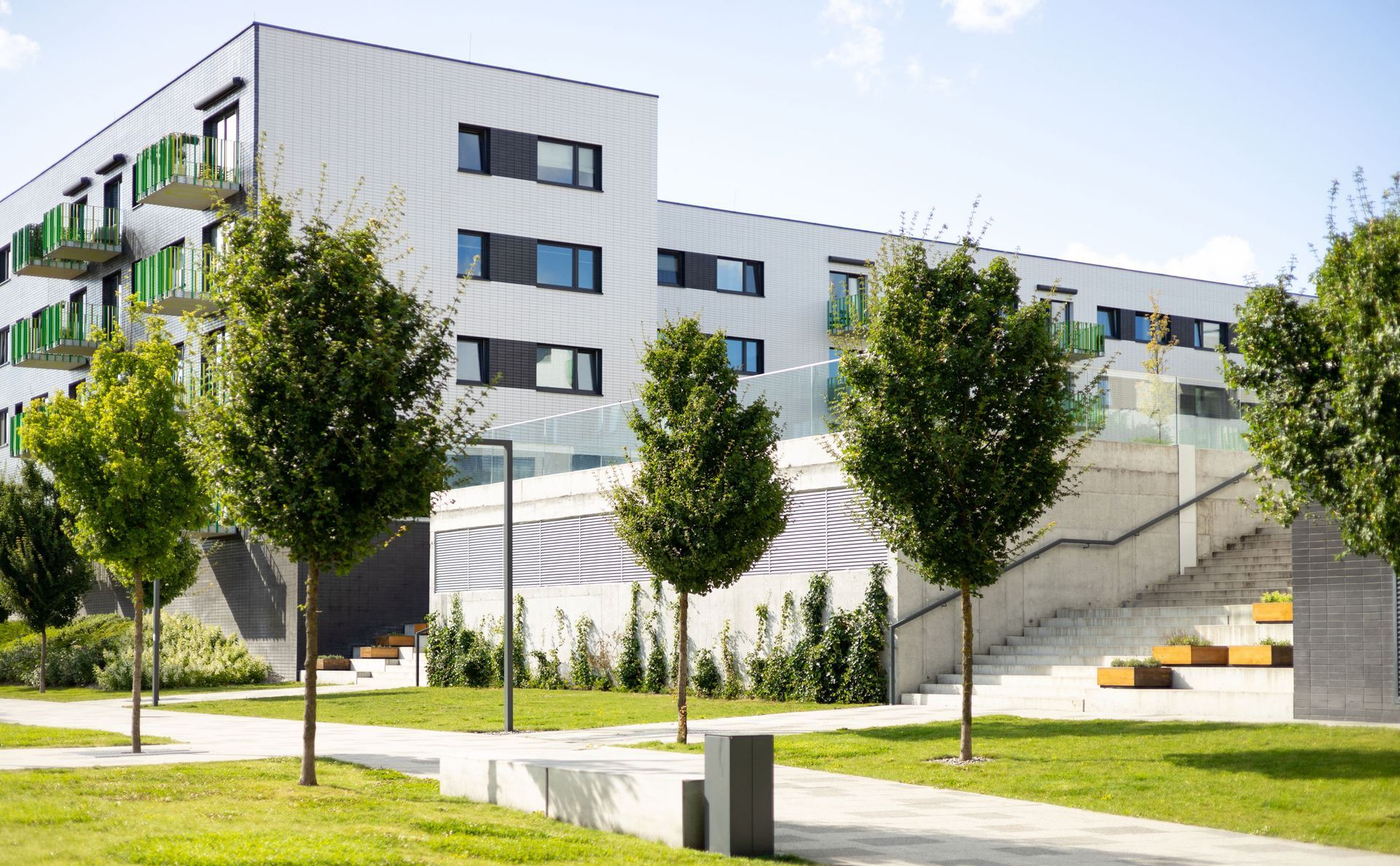
Strolling across campus, the lush turf and perfectly edged beds aren’t just eye catchers, they're a living showcase of an institution’s standards. Thoughtful mulching, consistent turf care, and timely seasonal upkeep turn ordinary grounds into a landscape that inspires pride in students, faculty, and alumni alike, reinforcing the school’s identity long before anyone steps into a classroom.
When these grounds are well taken care of, they're not just easy on the eyes; they make the space more accessible, secure, and something the whole school can feel good about.
Importance of Grounds Maintenance in Educational Institutions
EAQ (formerly E.A. Quinn) takes our contracts very seriously. Maintaining school and university grounds isn't just about aesthetics. It's about creating a safe, welcoming, and sustainable environment that supports students, staff, and visitors. A well-kept campus promotes learning, enhances well-being, and demonstrates an institution's commitment to excellence.
Boosting Campus Aesthetics and Institutional Pride
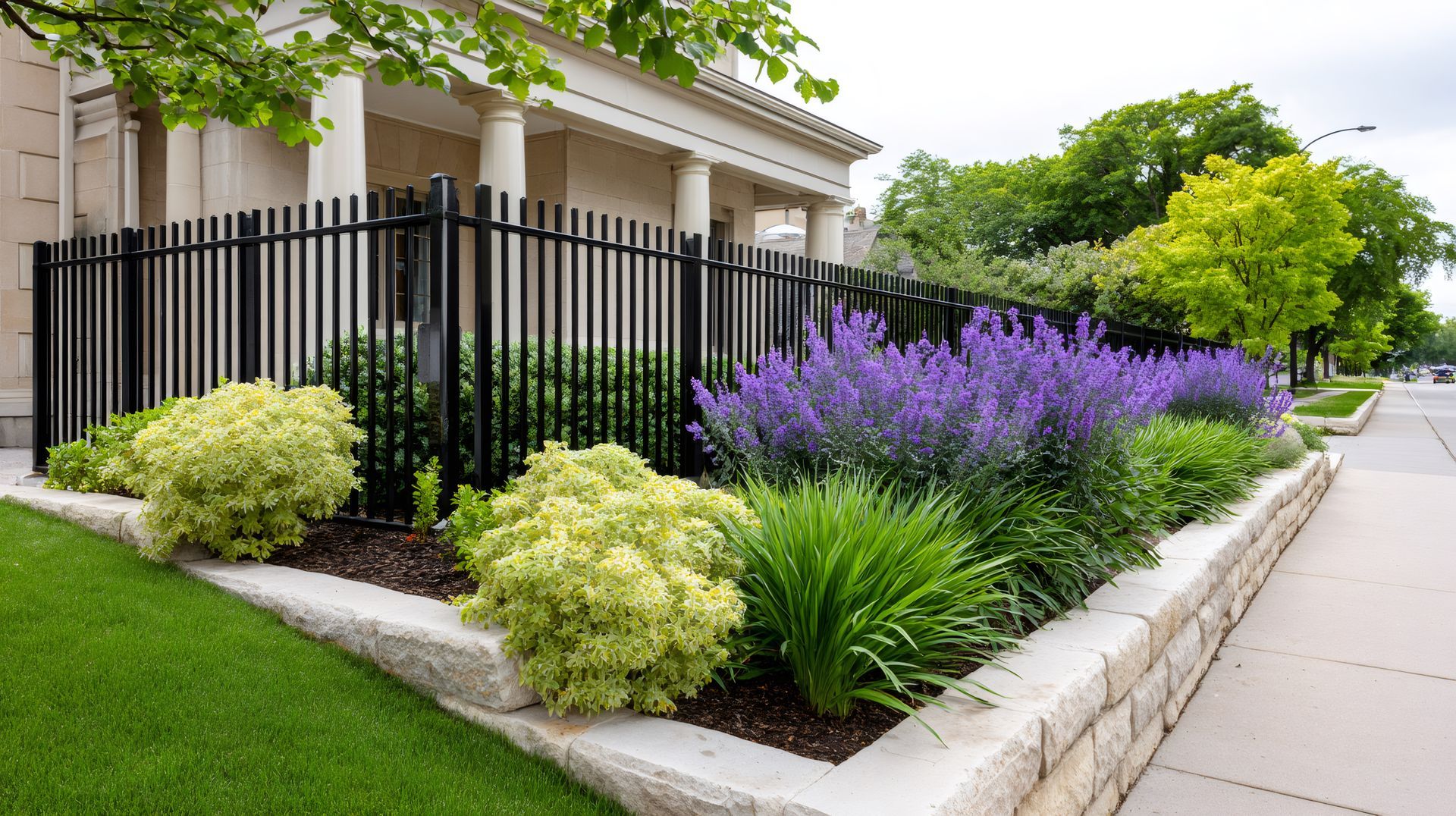
A well-maintained campus fosters a sense of pride and community. Mulching keeps flower beds neat, healthy, and visually appealing. Lush, green lawns create inviting outdoor spaces where students can relax and socialize. A clean and orderly campus reflects positively on the institution, reinforcing a culture of excellence.
When students and staff see their school taking care of its surroundings, it encourages them to do the same. This attention to detail can boost motivation and contribute to a more engaged and connected community.
Grounds Maintenance Strategies for Schools & Universities
Keeping school and university grounds in top condition requires more than just routine care. With large green spaces, high-traffic outdoor areas, and seasonal changes, we incorporate a combination of strategies to maintain a safe, healthy, and inviting environment. Each part of a campus, from expansive lawns to carefully curated flower beds, requires tailored attention.
Corrective Maintenance
Corrective maintenance comes into play when sudden issues arise. Whether it's storm damage, broken irrigation lines, or worn-out turf, this approach focuses on rapid repairs to minimize disruptions.
For example, if a heavy storm leaves fallen branches, torn grass, and scattered mulch across the school grounds, a quick response from the maintenance team ensures the area is restored promptly. The goal is to address problems as they occur, keeping outdoor spaces functional and visually appealing without delay.
Preventive Maintenance
Preventive maintenance is all about scheduled care to avoid bigger issues down the line. Just like regular check-ups keep people healthy, routine maintenance keeps campus landscapes thriving.
This proactive strategy includes Seasonal preparations, such as clearing leaves before winter. Annual mulching to maintain soil health and plant vitality. Regular turf care to keep grass lush and resilient against wear and tear.
By sticking to a planned schedule, schools and universities can reduce the need for major repairs, ensuring their outdoor spaces stay attractive and well-maintained throughout the year.
Condition-Based Maintenance
Instead of following a strict calendar, condition-based lawn care focuses on real-time needs. Groundskeepers monitor the health of lawns, trees, and flower beds, making adjustments as needed.
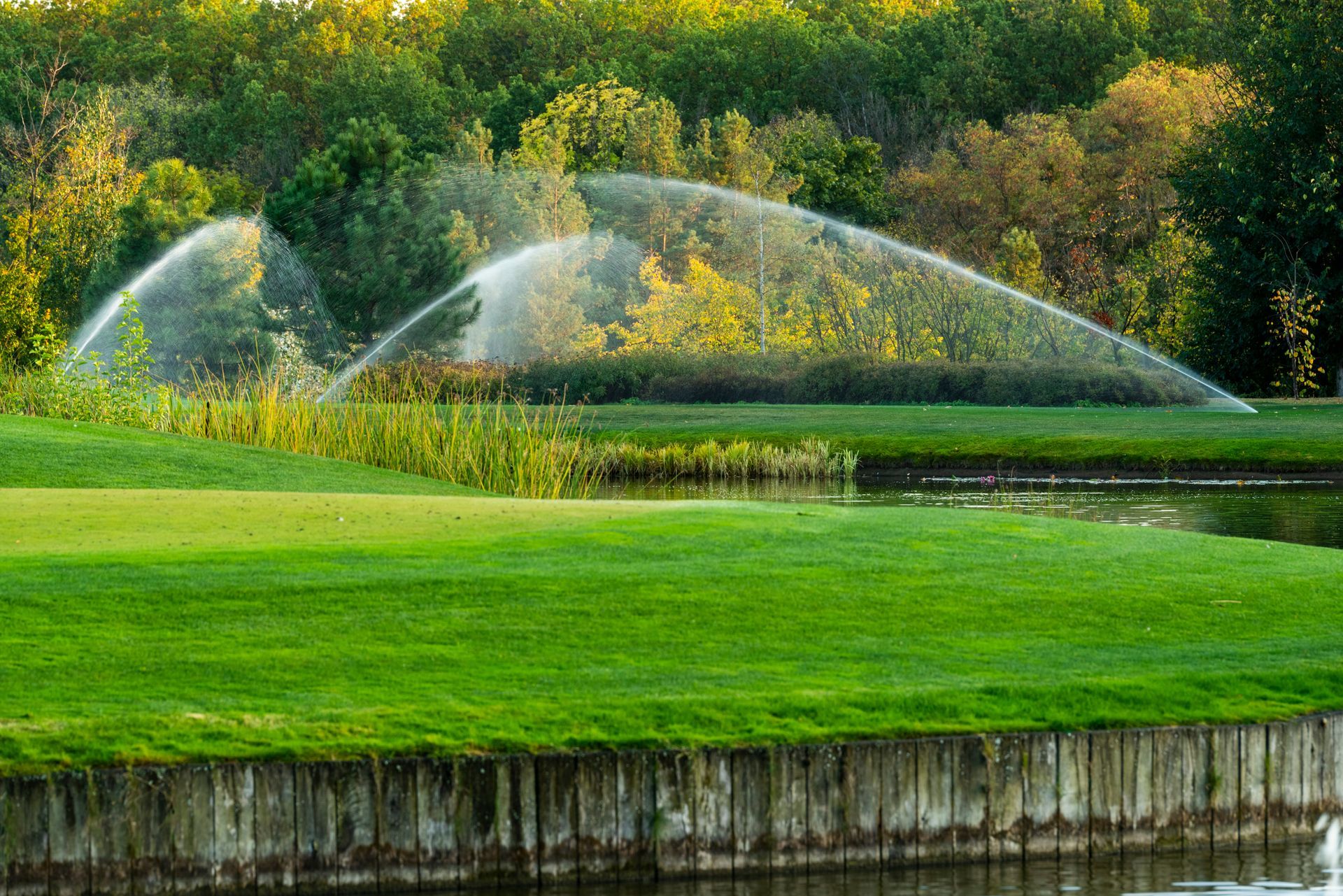
For example, they might track rainfall and adjust irrigation schedules accordingly—in times of drought, increasing watering, and during especially rainy seasons, reducing or even turning off systems altogether. This flexible approach allows for targeted care, preserving the unique characteristics of each part of the campus- whether it's a historic courtyard or a busy playground.
Maintenance schedules on an academic campus need to remain fluid, flexing around the calendar of important events from high‑profile commencements and homecoming games to prospective‑student tours. Grounds crews may accelerate mowing and edging in the week leading up to graduation so the quad looks picture‑perfect in every photo. By aligning landscape maintenance with the campus event rhythm, facilities teams ensure each occasion unfolds against a backdrop that elevates school spirit and showcases institutional pride.
Key Practices for School & University Grounds Maintenance
Effective grounds maintenance isn't just about keeping things looking polished, it also involves preventive and corrective strategies to support long-term sustainability. Here are three essential practices that contribute to a thriving campus landscape.
Mulching: Enhancing Beauty and Functionality
Mulching is a simple yet powerful way to protect and enhance campus landscapes. It helps retain moisture, suppress weeds, and regulate soil temperature, all while adding a clean, polished look to flower beds and pathways.
Benefits of mulching: Reduces weed growth, minimizing maintenance efforts. Retains soil moisture, cutting down on watering needs. Provides a soft, safe surface for playgrounds and high-traffic areas. Improves soil health by adding organic nutrients over time.
A 2-3 inch layer of mulch, whether organic (bark, wood chips) or inorganic (gravel), can significantly lower upkeep costs while keeping landscapes healthy and visually appealing.
Turf Care: Keeping Campus Lawns Lush and Durable
Turf maintenance ensures green, resilient grass that withstands heavy foot traffic, especially in sports fields and common gathering areas. A strong turf care plan includes:
- Regular mowing: Keeping grass at around 3 inches promotes strong root growth and durability.
- Aeration: Loosening compacted soil in spring and fall improves air circulation and water absorption.
- Fertilization: Applying nutrients based on needs supports a healthy, vibrant turf.
Seasonal Preparation
Each season brings unique challenges for school and university grounds, requiring a tailored maintenance approach.
- Spring: Aerate soil, plant new greenery, and prepare for the growing season. Clean up, pre-emergent to beds, mulching, turf care.
- Summer: Increase watering, weed control, monitor turf health to combat heat stress, and perform light pruning to maintain plant shape and health.
- Fall: Remove leaves. Reseeding lawns, turf care, and blow out irrigation systems.
- Winter: Have a snow removal plan. Ensure the property remains clear of snow and ice for safe access, and conduct dormant pruning to encourage healthy spring growth. This is a great time to review the prior year’s performance and discuss plans for the spring.
Aligning maintenance efforts with the academic calendar ensures that campuses remain in peak condition throughout the year.
Challenges of In-House Grounds Maintenance for Educational Institutions
Many schools and universities choose to self-perform at least a portion of their grounds maintenance work. This approach gives institutions direct control over the appearance of their campus and allows them to develop specialized knowledge of their unique landscaping needs but keeping school and university grounds in top shape is a demanding job, especially when managed by an in-house team. From maintaining healthy turf to refreshing mulch beds, the workload is constant.
Well-kept outdoor spaces not only enhance the campus's appearance but also ensure safety and usability for students, staff, and visitors.
However, educational institutions face several obstacles when handling these responsibilities internally:
Maintaining Mature Landscaping
As campus landscapes mature, upkeep becomes more expensive and time-intensive. Older trees, plants, and turf demand significantly more attention, including more complex pruning, detailed edging, and comprehensive weed control. Mature properties need to be handled differently compared to newer landscapes.
Mature landscaping could require:
- More time for proper pruning of established trees and shrubs
- More frequent edging to maintain clean lines between turf and planted areas
- Increased weed control measures as landscapes become more complex
- Additional attention to aging irrigation systems and drainage solutions
- Redesigning Landscapes
There are also hardscape maintenance items to consider:
Paving (asphalt or concrete walks, drives, courts)
Key Tasks:
- Inspect for cracks, potholes, heaving
- Crack‑seal and patch early to stop water intrusion
- Sealcoat or apply surface treatments on a 3‑5 year cycle
- Power‑wash stains (chewing gum, spills, algae)
- Ice‑control products calibrated to minimize surface damage
Frequency & Timing:
- Visual walk‑throughs monthly
- Minor repairs each shoulder‑season
- Major resurfacing scheduled during low‑traffic breaks (summer, winter)
Catch Basins & Storm Drains
Key Tasks:
- Remove leaves, trash, sediment from grates and sumps• Vacuum‑jet or flush lines if flow slows
- Inspect rings and frames for settlement or cracking
- Verify downstream outlets after heavy storms
Frequency & Timing:
- Pre‑fall and post‑spring clean‑outs
- Extra checks after large events or leaf‑drop peaks
Patios & Plazas (brick, paver, natural stone)
Key Tasks:
- Power‑wash mold and stains; apply mild biocide in shaded spots
- Re‑sand or re‑grout joints to prevent shifting
- Replace spalled or wobbly units
Frequency & Timing:
- Deep clean each spring; spot clean monthly
- Joint maintenance after freeze‑thaw cycles
Line Striping (parking lots, fire lanes, wayfinding)
Key Tasks:
- Repaint faded lines, symbols, ADA markings
- Remove obsolete markings before restriping
- Audit signage alignment with striping layout
Frequency & Timing:
- Annual audit each spring; restripe every 1–2 years or sooner if 30 % fade
- Night or weekend work windows to avoid lot closures
Retaining Walls (block, stone, timber)
Key Tasks:
- Inspect for bulges, cracks, mortar loss, or weep‑hole blockage
- Clear vegetation roots that pry joints apart
- Verify back‑drainage gravel and fabric are functioning
- Re‑point or reset loose units
Frequency & Timing:
- Visual checks quarterly, intensified after heavy rain or freeze events
This added workload can stretch already-tight budgets. Grounds managers must get creative with cost-saving strategies, but some solutions--like incorporating native plants--aren't always practical for every space.
Striking a balance between sustainability, aesthetics, and functionality requires careful planning, often leading schools to decide whether to manage everything in-house or seek help from professional landscaping services.
Increasing Expenses for Equipment Repair and Replacement
Ground maintenance involves more than just mowing and trimming- it relies on heavy-duty equipment that needs regular upkeep. Lawnmowers, trimmers, and other essential tools are becoming more expensive to repair and replace, with equipment repair costs increasing annually.
These rising costs can quickly deplete maintenance budgets, making it harder to fund seasonal upkeep or proactive repairs. The financial impact includes:
- Higher parts and labor costs for repairs
- Increased prices for new equipment purchases
- Rising fuel and maintenance expenses
- Additional storage and security requirements
Schools are increasingly looking at cost-effective alternatives, such as:
- Partnering with landscaping specialists for on-demand maintenance
- Investing in predictive maintenance to reduce unexpected repair costs
- Exploring lease or rental options instead of outright equipment purchases
Struggles in Hiring and Retaining Qualified Grounds Staff
Finding and keeping qualified maintenance workers is an ongoing challenge for schools and universities. Wages for skilled workers continue to rise, making it harder for educational institutions to offer competitive salaries.
When factoring in the full cost of employment—including healthcare benefits, retirement contributions, workers' compensation, and training—maintaining an in-house grounds crew becomes increasingly expensive. The total cost per employee often exceeds what professional landscaping contractors charge for comparable services.
As a result, many maintenance teams are understaffed, delaying seasonal preparations and routine care. High turnover rates add to the problem, with workers often leaving for better-paying jobs with stronger benefits.
To address this issue, many schools are considering outsourcing all or a portion of their landscaping needs.
Partnering with professional grounds maintenance companies can offer:
- Access to trained specialists without the burden of hiring and training
- Flexible contracts that align with budget constraints
- Reliable staffing to ensure timely upkeep and seasonal transitions
- Elimination of employee-related administrative burdens
Outsourcing Grounds Maintenance to Contractors
Outsourcing grounds maintenance workers can be a smart move for schools and universities, offering specialized expertise while easing the burden on in-house teams. Professional contractors bring years of experience and customized service plans that align with each institution's unique needs.
As eco-friendly landscaping and efficient upkeep become priorities, outsourcing ensures campus grounds remain visually appealing, functional, and well-maintained year-round.
The Advantages of Contractor Expertise and Equipment
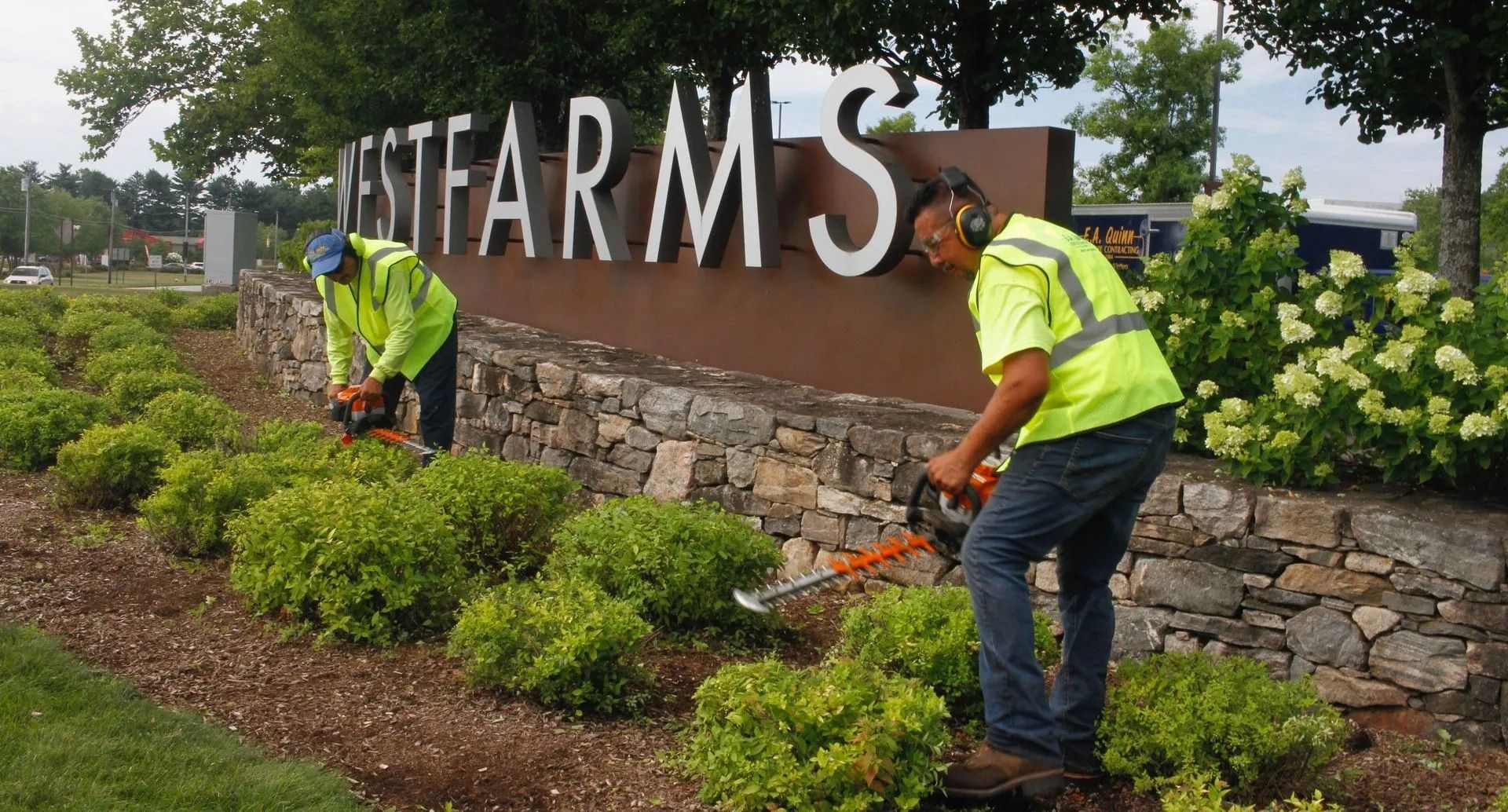
Professional landscape companies come equipped with the latest tools and knowledge to handle school and university grounds efficiently. Their advanced equipment--such as industrial mulching trucks and high-capacity mowers--allows for more precise and effective maintenance.
Key benefits include:
- Specialized turf care: Expert techniques to promote healthy, vibrant lawns
- Efficient seasonal prep: Timely mulching, pruning, and aeration to keep landscapes in peak condition
- Eco-conscious solutions: Sustainable landscaping practices to reduce waste and improve environmental impact
Flexibility and Scalability for Seasonal Grounds Needs
One of the biggest advantages of outsourcing is the ability to scale services based on seasonal needs and expand scope beyond traditional landscaping. Unlike in-house teams with fixed schedules and resources, contractors can quickly adjust their maintenance plans to match changing weather conditions and landscaping priorities. For example, a professional landscape company such as E.A. Quinn can also assist with redoing parking lots, line stripping, curbing repairs, drainage fence work etc.
Customizing Landscaping Contracts for Educational Institutions
When it comes to maintaining school and university grounds, a one-size-fits-all approach doesn't work. Each institution has unique needs, whether it's keeping sports fields lush, maintaining inviting flower beds for prospective students, or ensuring playgrounds remain safe and tidy.
Customized landscaping contracts give schools and universities the flexibility to select services that align with their maintenance priorities, budgets, and sustainability goals.
Here are some tailored contract options that have proven successful in meeting the specific needs of educational institutions:
Mulch-Only Contracts for Targeted Grounds Care
For schools and universities looking to enhance specific areas without committing to a full-scale landscaping plan, mulch-only contracts provide a cost-effective solution. Mulching improves soil health, suppresses weeds, and enhances curb appeal--making it an essential service for high-visibility or high-traffic zones.
Benefits of a mulch-only contract:
- Playground safety: Annual mulch replenishment helps maintain soft, cushioned surfaces.
- Garden bed enhancement: Fresh mulch keeps flower beds vibrant and healthy.
- Budget-friendly care: Institutions can focus on priority areas without overspending.
This targeted approach allows schools to direct resources where they're needed most while keeping maintenance costs manageable.
Spring and Fall Cleanup with Detailed Landscaping Work
Seasonal changes bring shifting maintenance needs, and customized spring and fall cleanup services help campuses stay well-kept year-round. These services go beyond simple debris removal, incorporating strategic landscaping efforts to prepare outdoor spaces for the months ahead.
Spring services: Planting native flowers, aerating lawns, and refreshing mulch.
Fall tasks:,Clearing leaves, and keeping campuses looking pristine.
Detail work throughout the year might include:
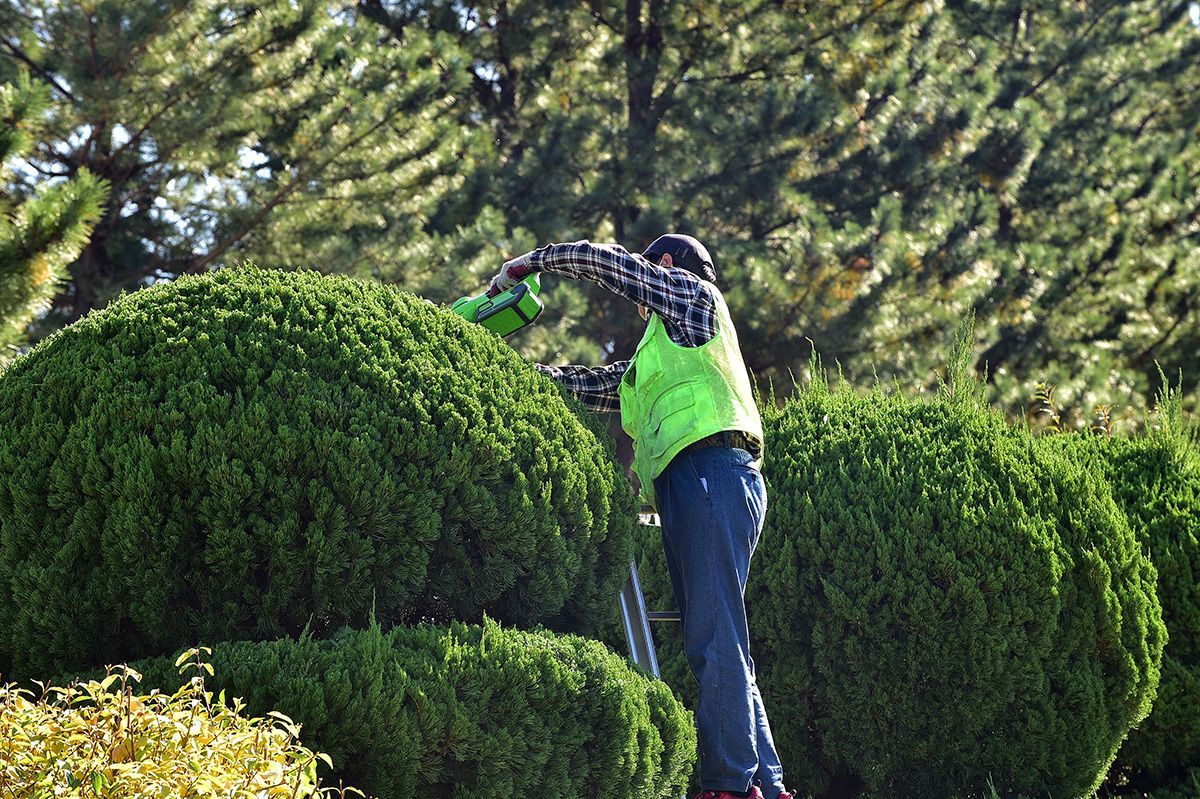
- Precision pruning of mature trees and shrubs
- Careful edging of walkways and garden beds
- Targeted weed control in established landscaping areas
- Special attention to campus focal points and entrance areas
Weekly Mowing Crews for Consistent Turf Maintenance
Well-maintained lawns and sports fields require ongoing attention, making a weekly mowing crew an essential service for many schools and universities. Regular mowing maintains the optimal grass height, promotes healthier growth, and improves weed control by preventing overgrowth.
Key advantages of a scheduled mowing plan:
- Consistent turf health prevents overgrowth and keeps lawns looking polished.
- Early issue detection: Groundskeepers can spot and address minor problems before they escalate.
- Athletic field safety: Properly maintained grass improves playability and reduces injury risks.
With a reliable mowing schedule, schools can keep their green spaces looking pristine and functional with minimal hassle.
Mixed-Service Packages Based on Campus-Specific Needs
Many educational institutions have found success with customized service packages that combine different elements of grounds maintenance. These tailored solutions might include:
- Full-service contracts for high-visibility areas with minimal in-house support
- Supplemental services to assist existing grounds staff during peak seasons
- Specialized technical services like tree care or irrigation system maintenance
- Event-based services timed around graduations, homecomings, or campus tours
The flexibility to select only the services needed allows educational institutions to maximize their maintenance budgets while ensuring their grounds remain safe, functional, and attractive.
Final Thoughts
In the end, taking care of school and university grounds goes way beyond just keeping things tidy, it's about building a safe, spirited place that everyone can take pride in. Mixing up different upkeep strategies, like fixing stuff as it breaks, staying ahead of problems, checking conditions on the fly, and even using smart tech to predict what's coming, and keep campuses keep campuses looking pristine.Add in services like mulching, tending the grass, and switching things up with the seasons, and you've got a solid plan. Whether the work's done by an in-house crew or handed off to pros, it's less about quick fixes and more about setting up a space that lasts and lifts up everyone who steps foot there.
As landscapes mature and maintenance demands increase, many institutions are finding that EAQ (formerly E.A. Quinn) Landscape Contracting’s customized approach - combining in-house expertise with professional contractors for specific services - offers the best balance of quality, efficiency, and cost-effectiveness. Call us to find the right mix of services that addresses your institution's unique grounds maintenance challenges