Commercial Tree and Shrub Care for Healthy, Safe, and Professional Properties
Commercial property management is a balancing act between curb appeal, safety, and long-term value. Buildings usually get the most attention, but the landscape, especially the trees and shrubs, function as the property's living infrastructure.
A well-maintained tree canopy or shrub line does more than look good. It protects the investment, reduces liability, and shapes the first impression tenants, customers, and visitors get before they ever step through the door.
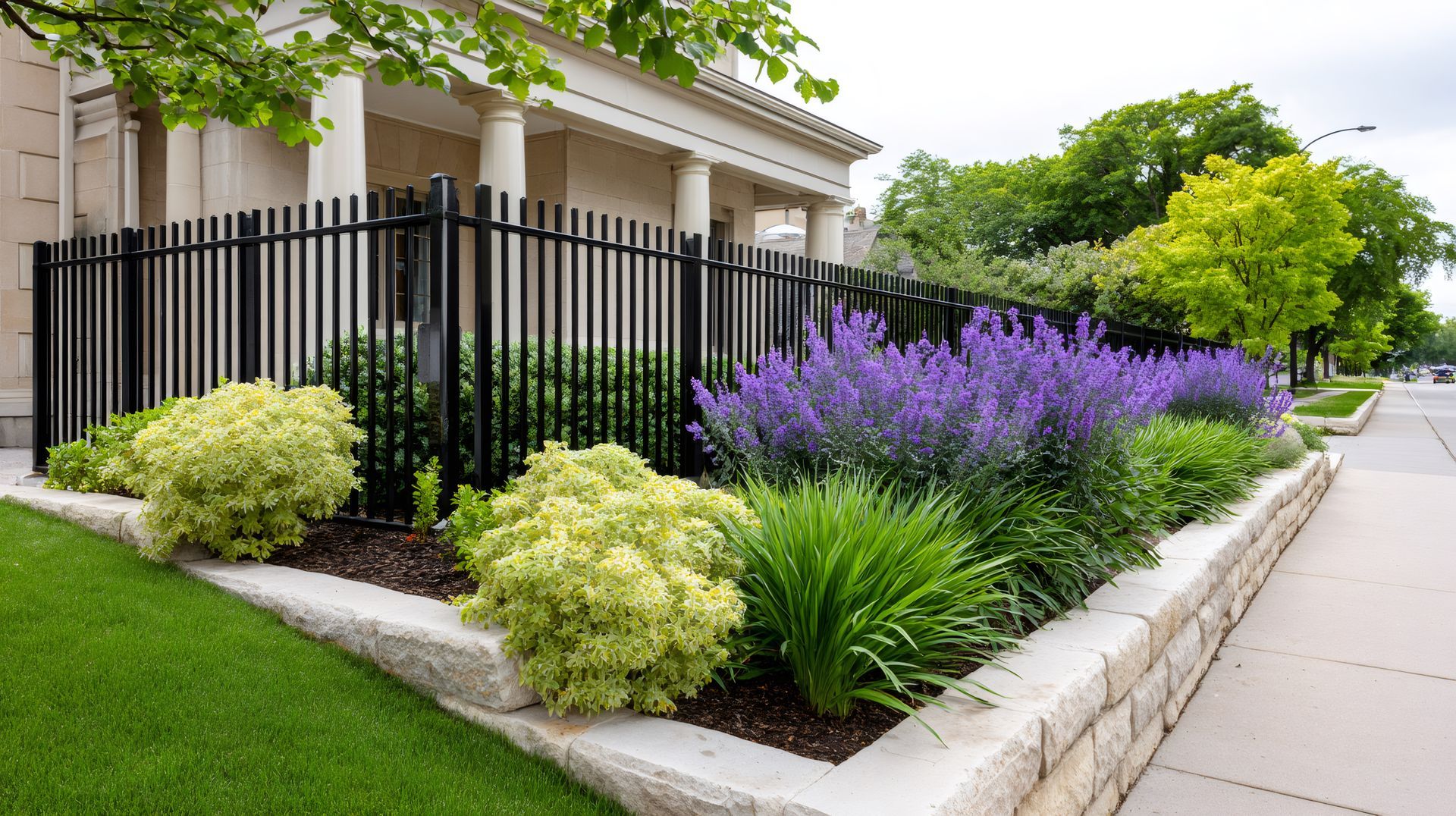
Tree and Shrub Care Protects the Appearance of Commercial Properties
The exterior of a commercial property acts as the first point of contact for every tenant, visitor, and prospective client. A landscape characterized by dense, healthy foliage, deliberate color contrast, and clean lines signals that the property is well-managed and financially stable. Conversely, overgrown, unpruned, or diseased plants suggest a lack of oversight, effectively threatening the brand’s professional reputation. Just as a
smart home uses
smart technology to maintain convenience, a commercial property utilizes landscape care to project an image of quality. Well-maintained trees and shrubs frame architectural details, guide foot traffic, and hide unsightly utility areas. This is not merely an aesthetic endeavor; it is a
safe bet for maintaining market value and ensuring that your facility remains competitive in evolving
industry trends.
Plant Health Inspections Find Problems Before They Spread
A robust commercial landscape strategy prioritizes prevention over cure. Routine plant health inspections act as an early-warning system for the entire property. Property managers can avoid high costs by dealing with these issues early. This stops emergency tree removal or replacing many plants. It keeps the landscape a valuable and healthy part of the property.
Pruning Improves Structure, Safety, and Visual Consistency
Professional pruning teams keep plants at a steady height and width. This keeps busy areas open and easy to use. It stops trip hazards and lowers insurance risks from blockages. In the context of health and safety, proper pruning ensures that your security system and access control cameras have clear sightlines, eliminating the threat of danger posed by overgrown branches that could hide unauthorized individuals.
By maintaining consistent clearances, you ensure the property remains a
safe place for everyone on-site, mirroring the precision required for the
lock and key security protocols used at entry points.
Shrub Trimming Keeps Beds Clean, Defined, and Easy to Maintain
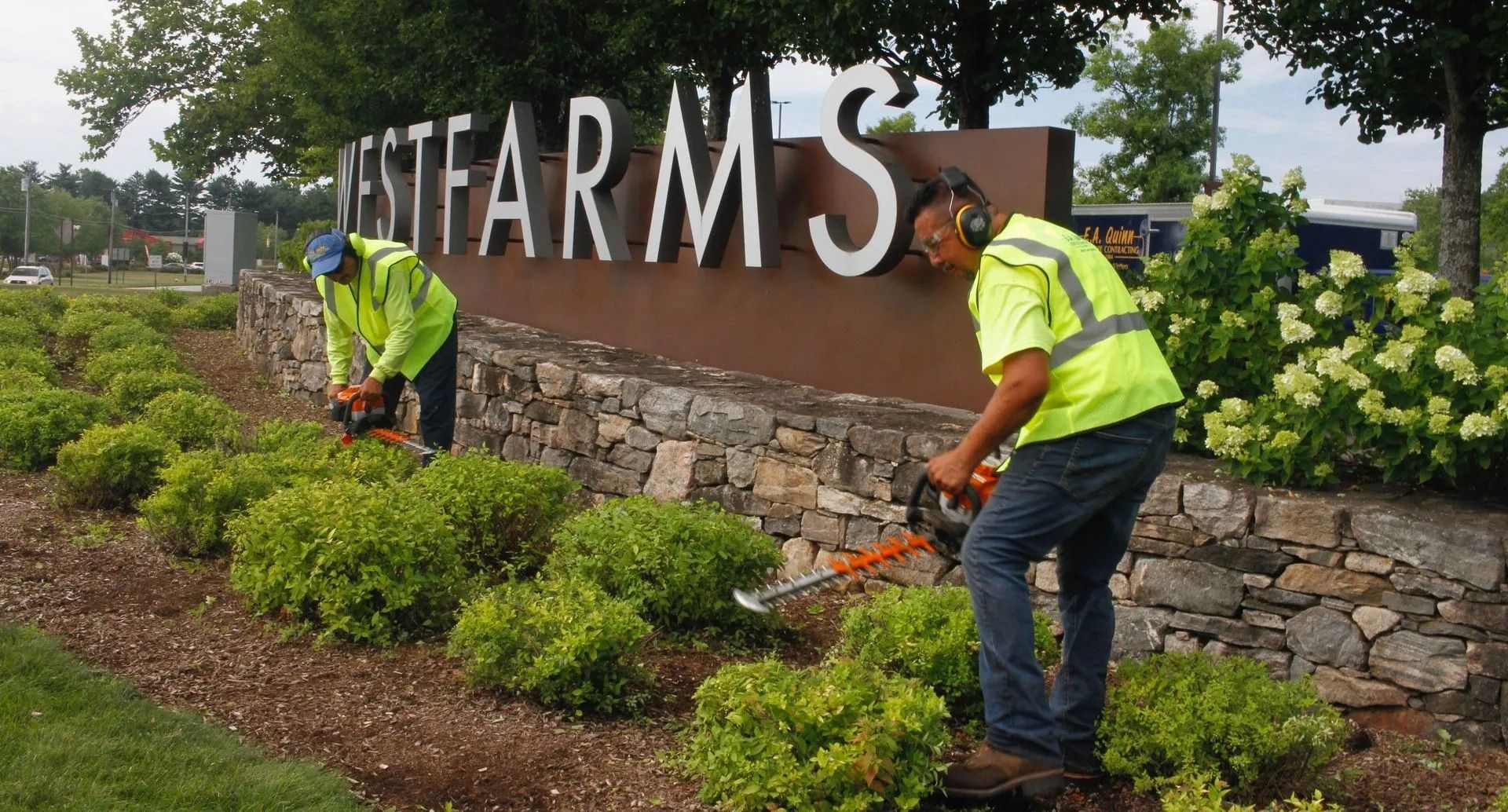
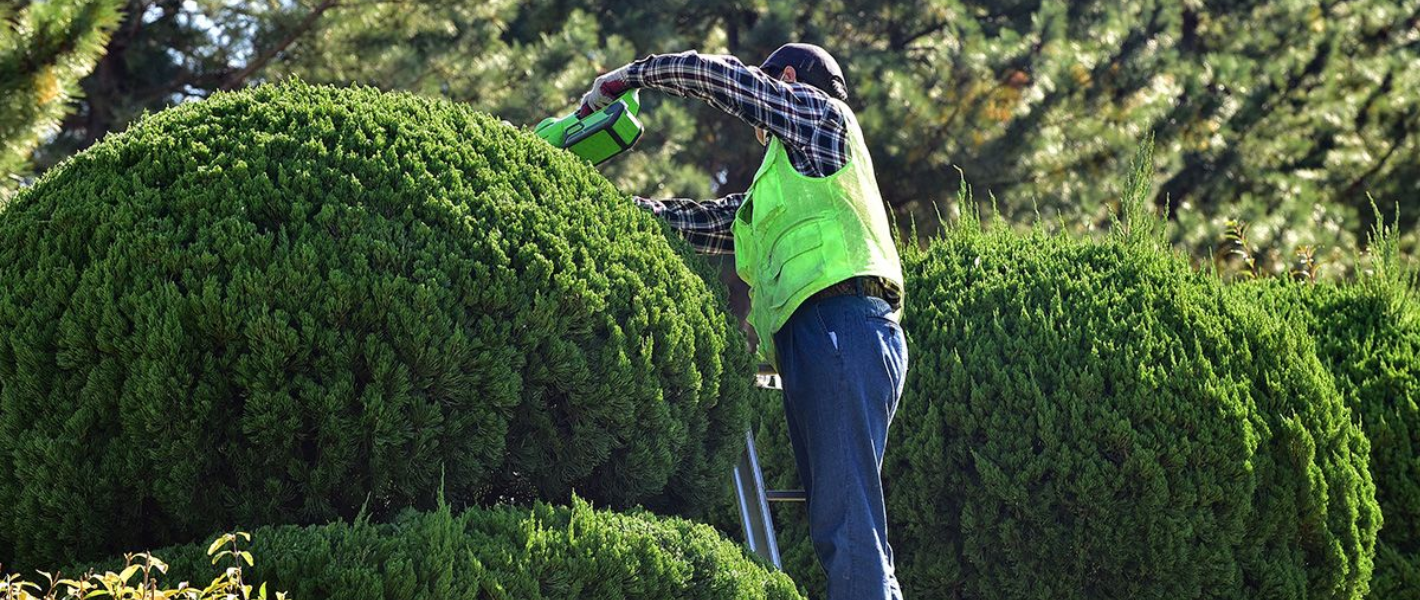
Shrubs define the edges of landscape beds and play a big role in a property's curb appeal. Whether the style is formal and manicured or more naturalized and free-flowing, consistent trimming is what keeps it looking intentional.
Proper shaping controls overgrowth, keeps plants from encroaching onto sidewalks and pavement, and makes it easier to maintain the lawn or gravel areas nearby. Defined bed edges and correct plant spacing also cut down on the time crews spend on cleanup later.
The most efficient ground teams treat this as a system, not a series of one-off jobs. Tracking each shrub's growth rate and trim schedule means nothing gets forgotten or over-pruned.
Tree Risk Reduction Helps Limit Property Hazards
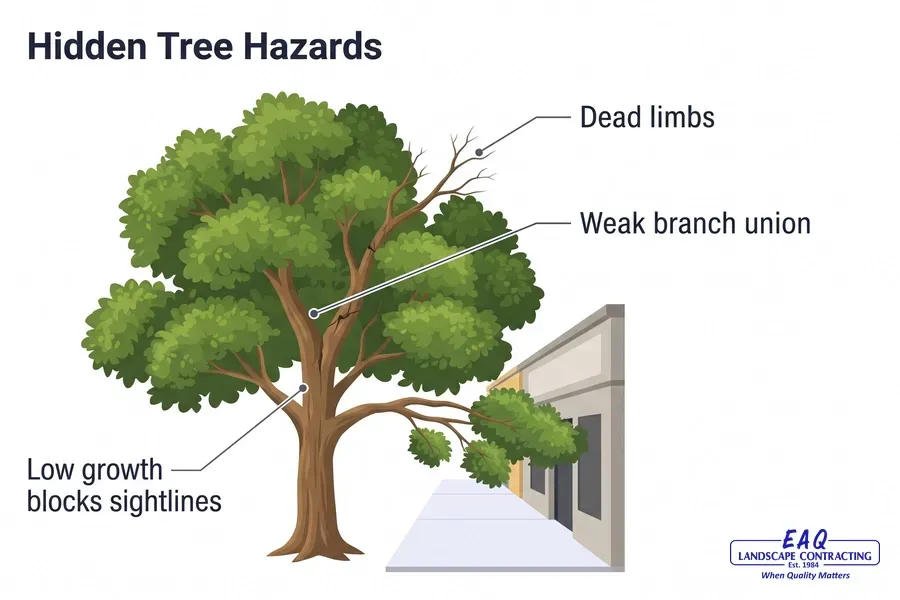
For property managers, risk reduction sits near the top of the priority list. Mature trees can look stable for years and still carry hidden hazards: dead limbs, weak branch unions that fail during high winds, or low-hanging growth that blocks sightlines and obscures visibility.
Regular risk assessments catch these problems early, so they can be addressed through crown cleaning, cabling, or other targeted pruning before they become emergencies. Staying ahead of tree health and structure this way cuts down on storm damage and lowers the odds of a liability claim.
There's a fire safety angle too. Clearing deadwood and ladder fuels away from buildings limits how easily fire can spread, especially in dry conditions or wildfire-prone areas.
Pest and Disease Management Protects Landscape Investment
Commercial properties face a range of pests and diseases, including scale, mites, borers, and various fungal blights. Effective treatment starts with an accurate diagnosis, one that accounts for the plant species, the surrounding environment, and how far the infection has already spread.
Integrated Pest Management (IPM) treats chemical intervention as a last resort, not a first response. That approach protects the surrounding environment while still giving the landscape the best chance to recover and thrive.
Pests and pathogens can spread fast, and a small problem left unchecked can turn into a costly one within a season. Monitoring plant health regularly is what keeps that capital investment protected.
Soil, Mulch, and Root Zone Care Support Long-Term Growth
What happens below the surface matters just as much as what's visible above it. Healthy soil and a well-managed root zone turn a fragile landscape into one that holds up over time, with less emergency care needed down the road.
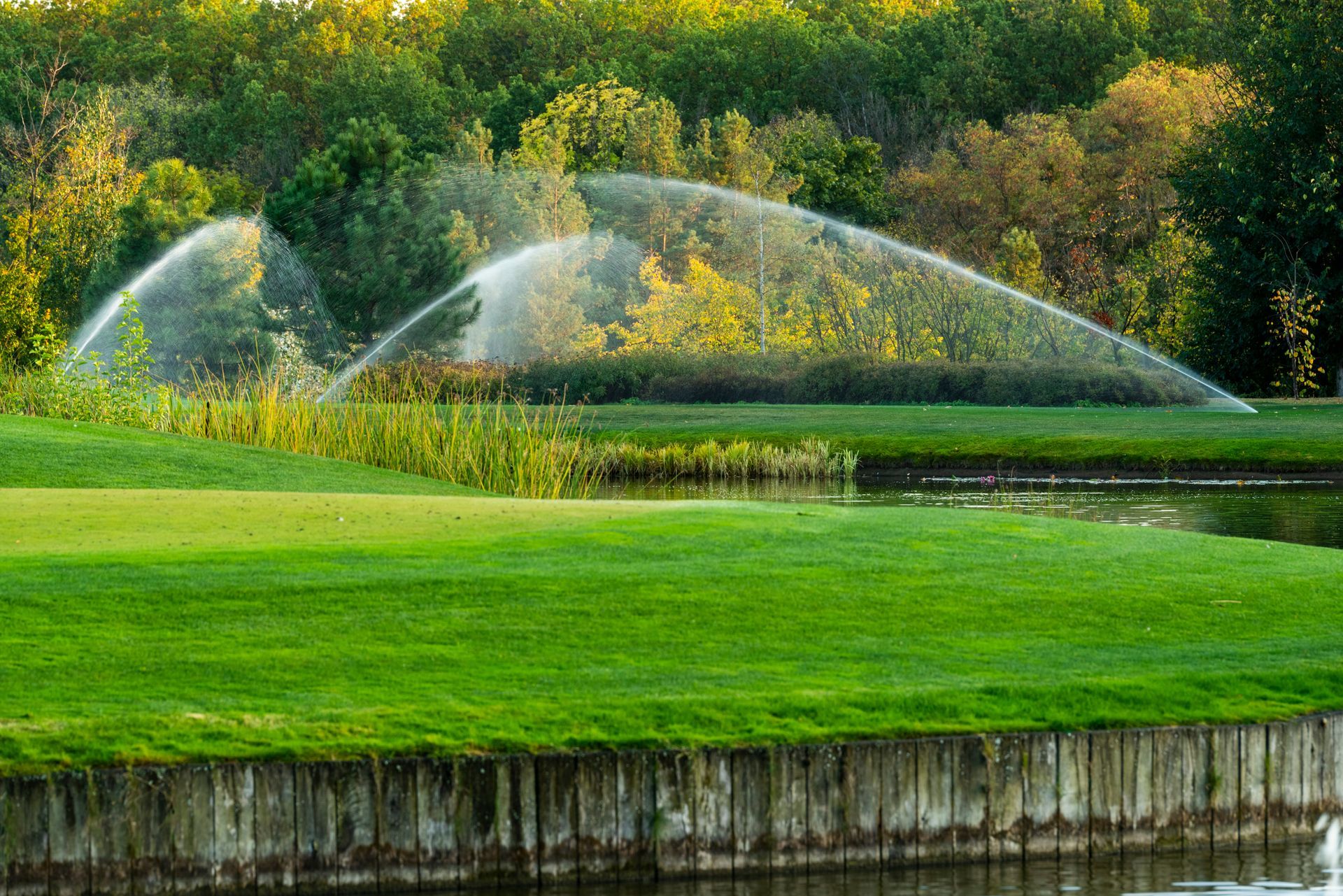
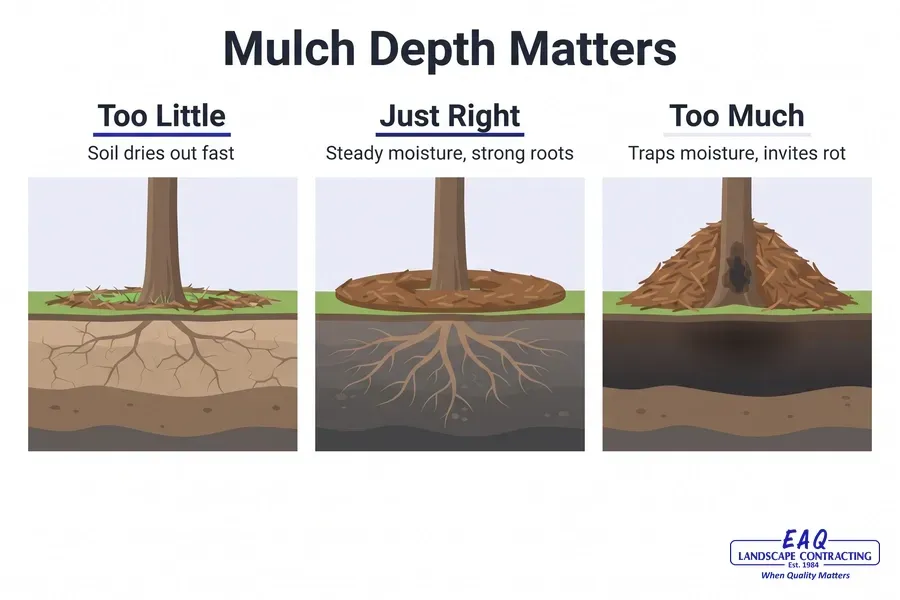
Soil compaction is a common problem in high-traffic commercial environments, and it prevents roots from expanding and draining properly. Mulch depth plays a role too: too little, and the soil dries out faster and swings in temperature; too much, and it can trap moisture against the trunk and invite rot. Consistent irrigation rounds out the picture, giving trees and shrubs the steady hydration they need to establish strong root systems.
Treat the root zone as the foundation it actually is. Get that right, and the trees and shrubs above it stay productive for decades, not just seasons.
Spring Tree and Shrub Care
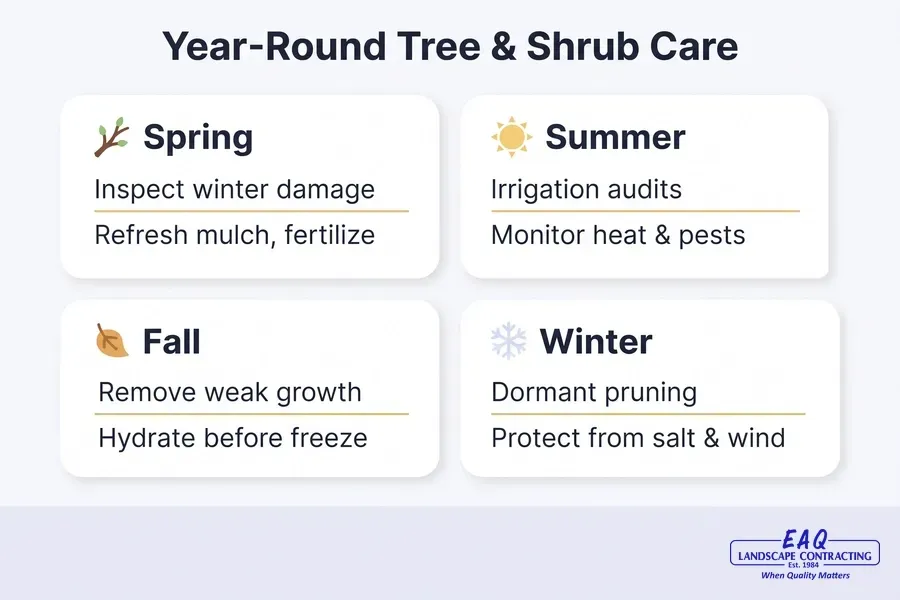
Spring is the foundational season for inspection and rehabilitation. The focus is on evaluating the impact of winter, removing any debris or damaged limbs, and refreshing mulch beds to optimize moisture retention. This is the optimal time for the first phase of fertilization and pre-emergent pest suppression to set the stage for the coming growth cycle.
Summer Tree and Shrub Care
As temperatures rise, the focus shifts to monitoring heat stress and managing water consumption. Regular irrigation audits are conducted to ensure that trees and shrubs receive consistent coverage. Technicians monitor for rapid insect activity or signs of drought, adjusting maintenance schedules to provide supplemental care for vulnerable plantings.
Fall Tree and Shrub Care
Fall is the ideal time to prepare for winter dormancy. This involves removing weak or problematic growth that could fail during heavy snow, planning for seasonal replacements or new plantings, and correcting drainage issues discovered during the summer months. It is the final opportunity to ensure plants are well-hydrated before the ground freezes.
Winter Tree and Shrub Care
Winter allows for specialized maintenance, such as dormant pruning for certain species and a final inspection of the canopy for structural damage caused by winter storms. During this period, protecting exposed, high-traffic sites from salt and wind desiccation is critical for preserving plant vigor for the following season.
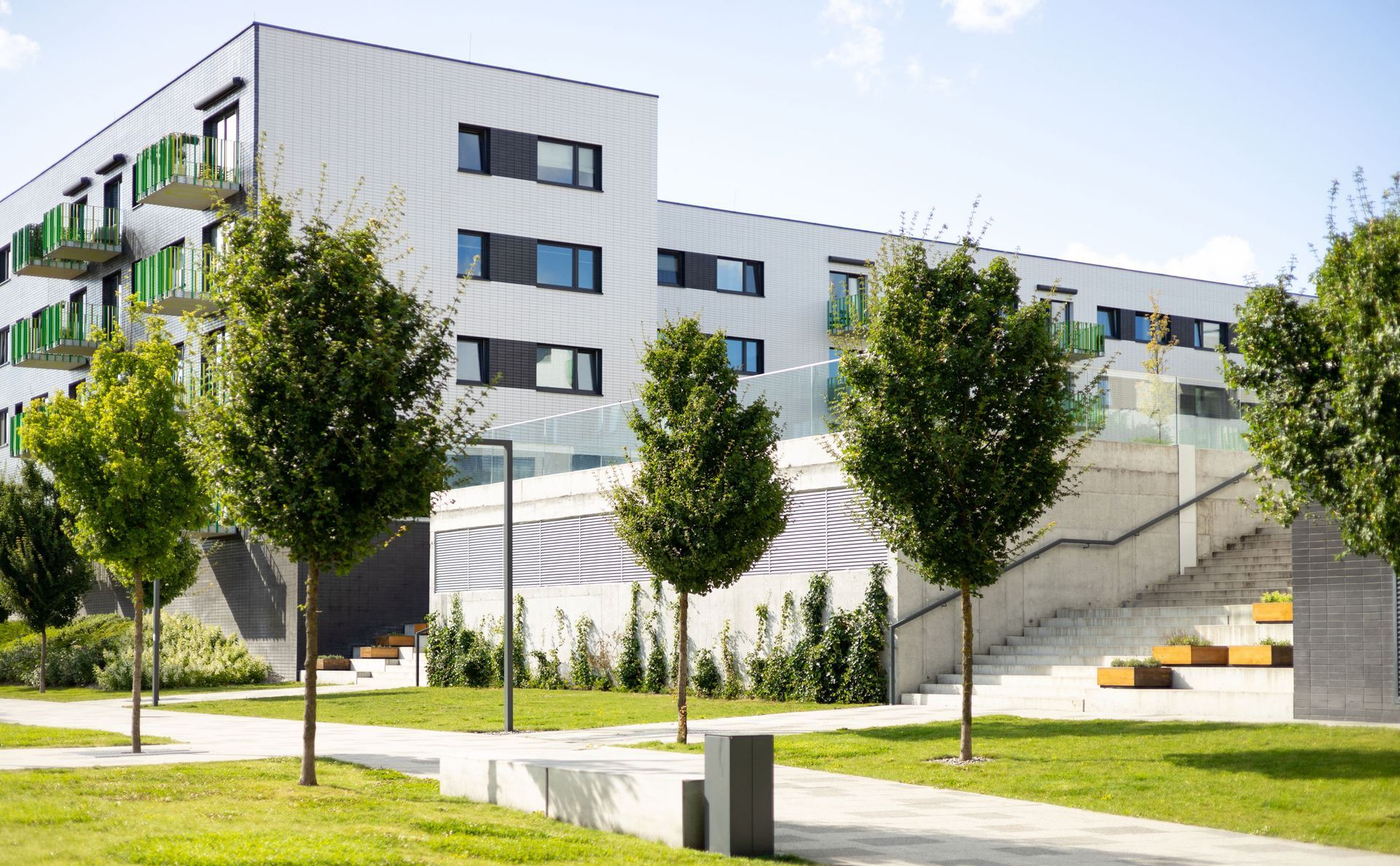
Precision Maintenance for Office Park Entrances and Signage
These properties require a high degree of precision around entrances, lobbies, and signage. The goal is to project a corporate image of excellence while ensuring that parking islands and pedestrian paths remain clear and inviting. By ensuring clear views of entry signage, you help visitors navigate safely, effectively acting as an extension of your property’s navigation and visitor management
business systems.
Enhancing Retail Center Visibility and Customer Safety
Visibility is the primary driver for retail properties. Maintenance plans focus on keeping storefronts, parking access, and traffic flow clear of low-hanging branches or overgrown shrubs, ensuring customers feel safe and welcome at all times. By maintaining sightlines, you discourage criminal activity, much like installing high-visibility
wall safes or monitoring
RSC Level I security standards.
Schools and Universities
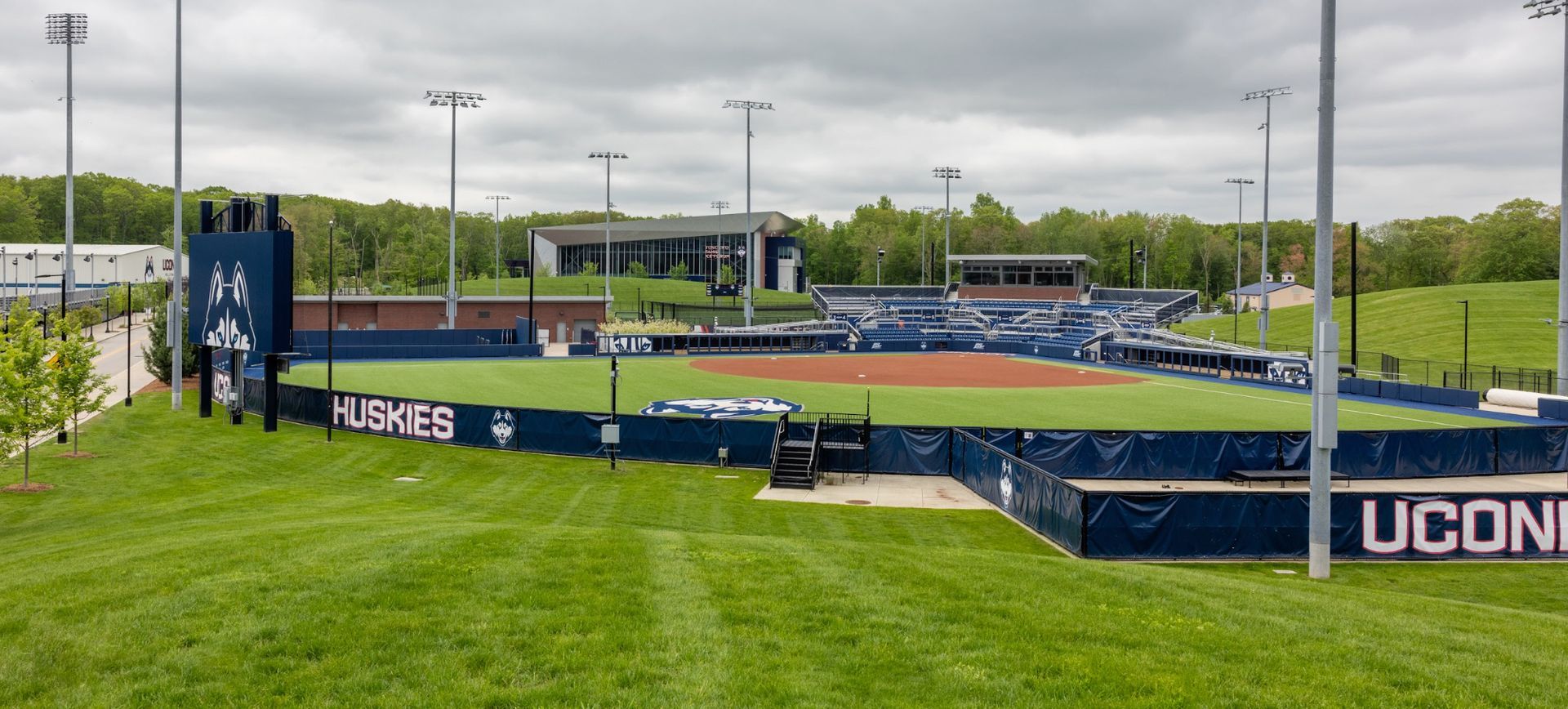
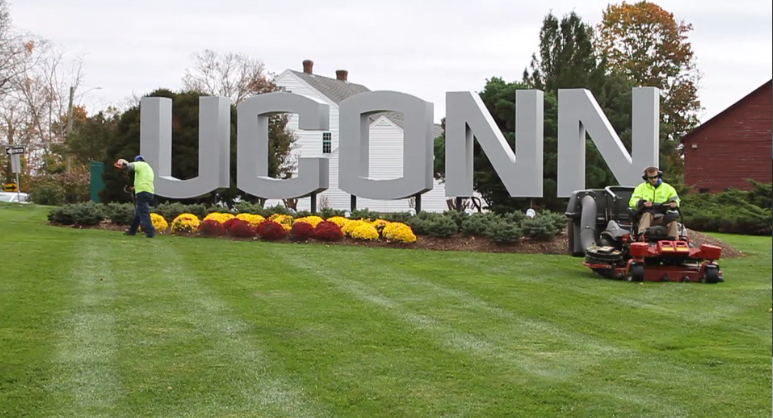
Safety and campus appearance both matter in educational settings, but safety comes first. Maintenance schedules need to work around the academic calendar to avoid disrupting classes, and crews should pay close attention to sightlines and structural safety in open areas with heavy foot traffic.
Durable, Budget-Friendly Care for Municipal Properties
These sites demand long-term durability and budget-conscious planning. The focus is on public safety, strategic removal of high-risk trees, and selecting hardy species that can withstand heavy use while minimizing total cost of ownership.
Industrial and Facility Sites
Maintenance works on keeping access roads clear. It also protects utility areas with screening. It uses plants that need little care and can survive drought. This is essential for facilities that may house
fire-resistant safes or other critical equipment, as clear surroundings allow for better emergency access and monitoring.
Building Proactive Tree and Shrub Management Plans
A one-size-fits-all maintenance plan rarely holds up in practice. Effective programs start by evaluating what's unique to the site: salt exposure near roads, wind corridors between buildings, and pressure from local wildlife all shape what a landscape actually needs.
Mapping irrigation coverage, soil compaction zones, and sun exposure lets property managers set maintenance frequency based on real conditions rather than a generic schedule. That kind of planning keeps capital from being spent on plants that were never suited to the site in the first place, which means fewer replacements and a better-looking property for the money spent.
Replacement Planning Prevents Gaps in the Landscape
Every landscape element has a lifecycle. When a plant reaches overmaturity, exhibits repeated disease, or poses a structural risk, it is time for a transition. Effective property managers view removals as a standard part of business operations, not an unexpected emergency.
By planning replacements in advance, you can avoid unsightly gaps, choose species that are better suited to changing site conditions, and maintain a consistent look for the property. This proactive planning allows for a phased approach, spreading costs over several budget cycles.
A Commercial Landscaping Team Coordinates Tree and Shrub Care With the Full Site
This full approach makes sure all landscape tasks happen at the right time. It uses the right tools. This lowers costs and keeps the property looking neat and professional. Tree and shrub care should never operate in a vacuum.
A professional grounds team coordinates these services with turf management, irrigation cycles, hardscape cleaning, and seasonal color programs. By integrating these schedules into your central
business systems, you ensure that every maintenance dollar is spent with maximum efficiency.
How to Evaluate a Commercial Tree and Shrub Care Provider
When selecting a partner, look for more than just a low bid. Prioritize firms with proven commercial experience and ISA-certified arborist staff. Evaluate their capacity for documentation, specifically their ability to provide detailed reporting on plant health and risk assessments.
Ask for their specific process regarding storm response and emergency availability. A strong partner will offer a clear, written scope of work that aligns with your property’s budget and long-term goals.
When Should a Property Manager Schedule Tree and Shrub Care?
Property managers should set up a maintenance schedule that happens at least every season. Additionally, site reviews are essential following severe weather events, during periods of heightened pest activity, and ahead of major seasonal events or high-traffic tenant visits.
What Is Included in Commercial Tree and Shrub Care?
Commercial tree and shrub care includes many services. These are site inspections, professional pruning, pest and disease monitoring, soil health and fertilization, mulch management, storm damage repair, and planning for plant removal and replacement.
It is a comprehensive suite of tasks designed to protect the physical environment and the financial assets of the site.
Is Tree and Shrub Care Part of Commercial Landscape Maintenance?
Yes, it is a core component. Trees and shrubs are structural landscape assets. Their condition directly impacts the overall site appearance, safety, pedestrian access, site visibility, and the long-term durability of the grounds.
How Often Do Commercial Shrubs Need Trimming?
On average, shrubs require trimming one to three times per growing season. The frequency depends on the plant species, their growth rate, and the level of precision required for the specific area of the property.
How Often Should Commercial Trees Be Inspected?
Commercial trees require a professional inspection at least once per year. Sites with higher densities of trees or higher levels of pedestrian traffic require more frequent monitoring to ensure safety and proactively manage potential risks.