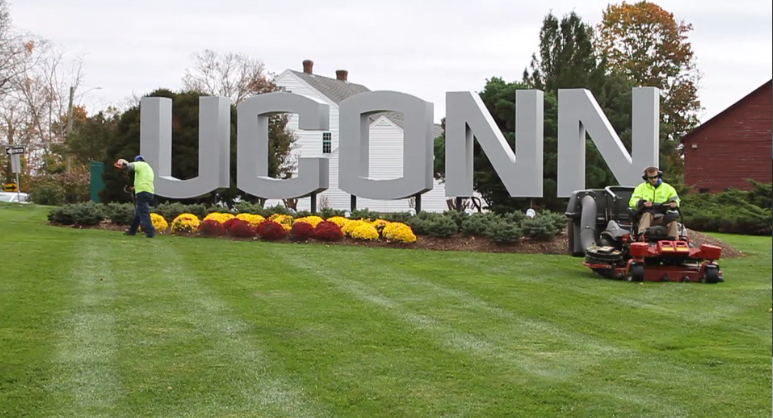
Commercial Entry Curb Appeal: Landscaping Services for a Better First Impression
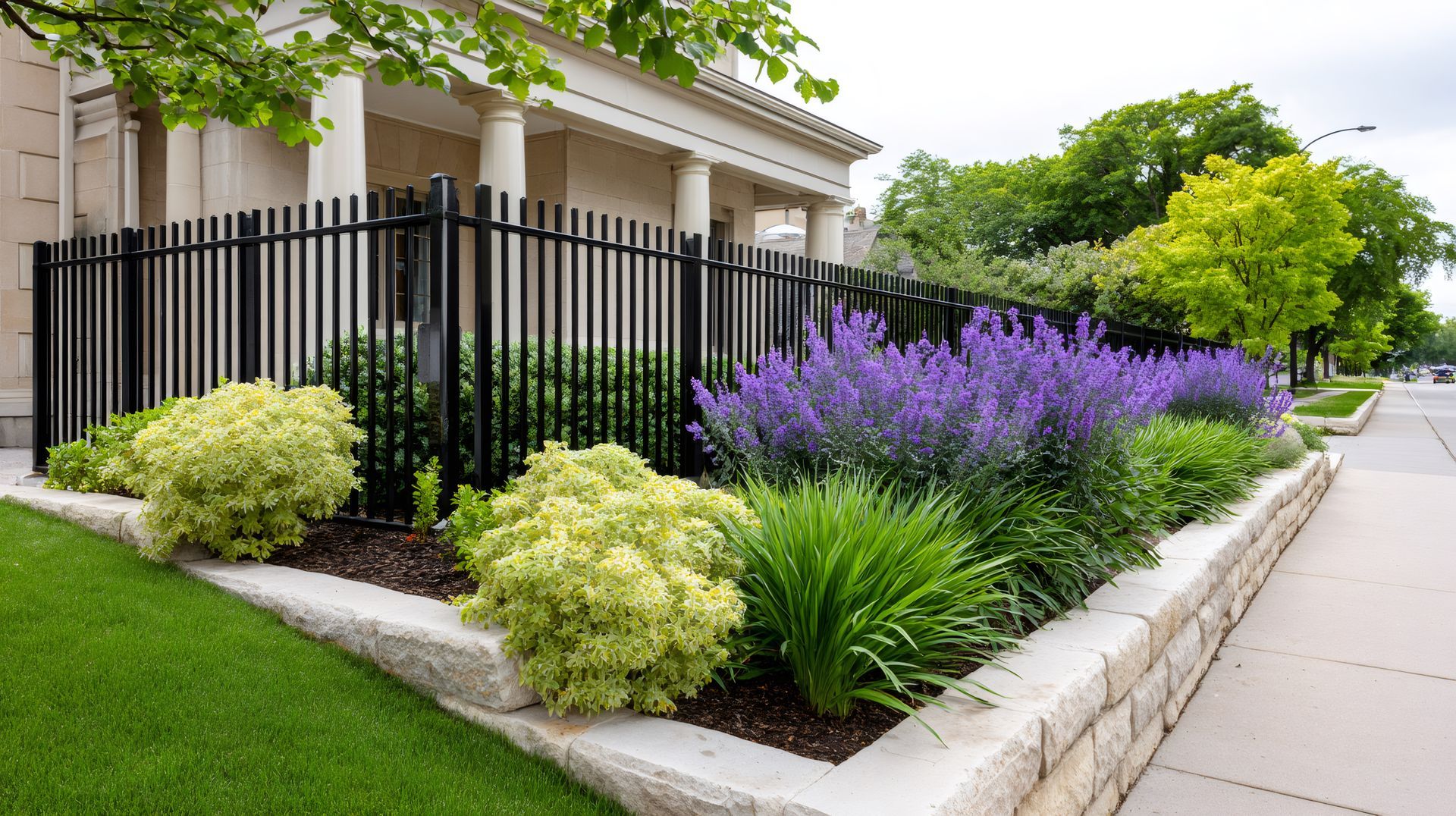
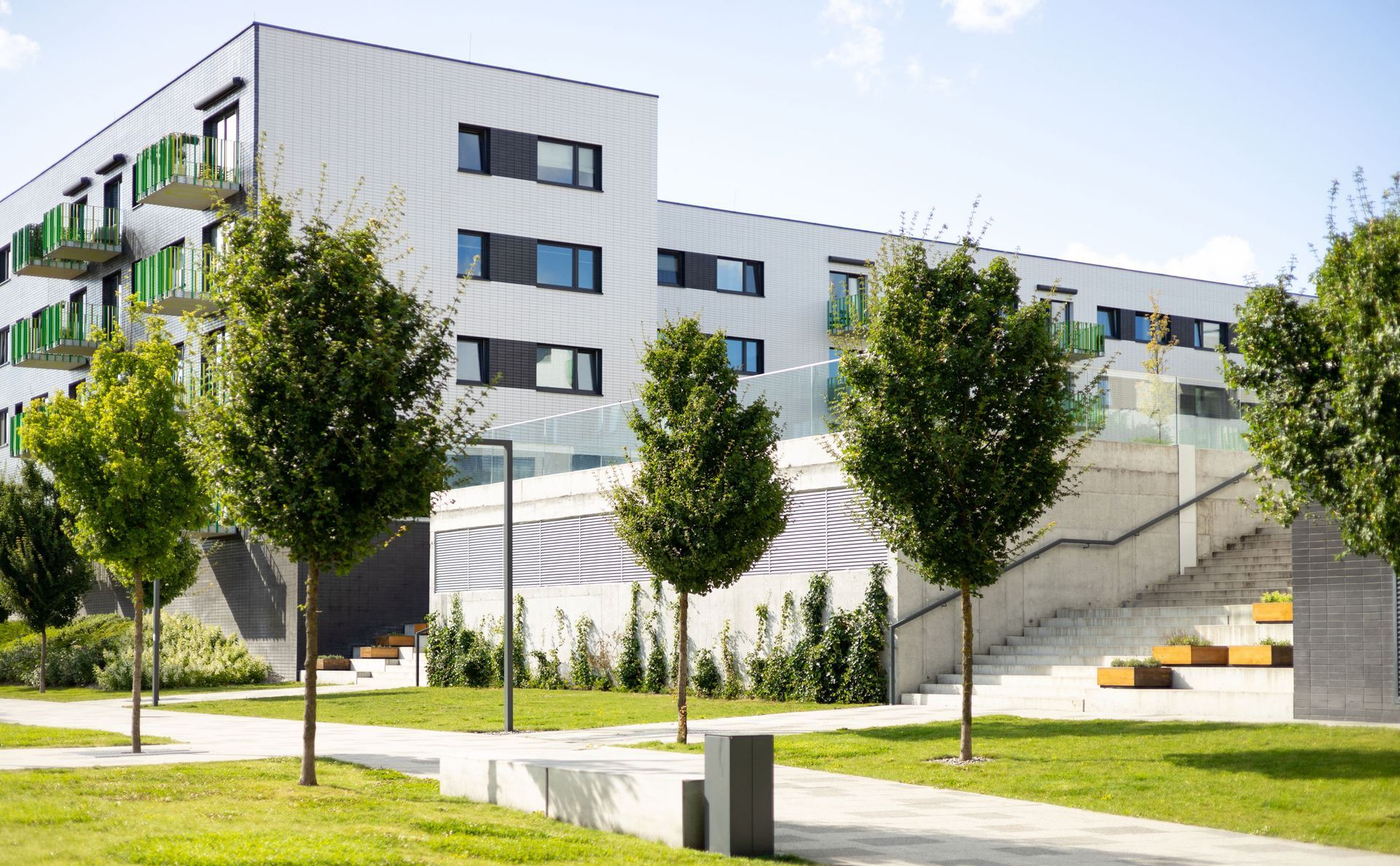
Commercial entry curb appeal affects how customers, tenants, visitors, employees, and prospective occupants first experience a commercial property. Commercial entry landscaping improves curb appeal by maintaining the visible areas surrounding property entrances, road frontage, driveways, parking entrances, walkways, signage, and building approaches.
Commercial frontage landscaping combines turf, planting beds, trees, shrubs, hardscape edges, signage areas, irrigation, cleanup, and seasonal maintenance. These landscape elements work together to create a clean and well-maintained commercial entrance.
Commercial curb appeal is not created by one landscaping feature. It depends on the combined condition of the property's most visible exterior areas.
What Is Commercial Entry Curb Appeal?
Commercial entry curb appeal is the visual condition and presentation of the areas people see when approaching and entering a commercial property. Commercial curb appeal includes the appearance of property entrances, road frontage, driveways, parking entrances, building approaches, signage areas, walkways, turf, trees, shrubs, and planting beds.
The main areas that affect commercial entry curb appeal include:
- Property entrances
- Road frontage
- Driveways
- Parking entrances
- Building approaches
- Signage areas
- Walkways
- Turf
- Trees and shrubs
- Planting beds
Commercial entry curb appeal depends on the combined condition of these areas.
Healthy turf may improve a commercial entrance, but weeds in nearby planting beds can reduce the overall effect. Well-shaped shrubs may improve appearance, but overgrown plants can hide commercial signage.
For this reason, commercial curb appeal should be evaluated as one connected exterior presentation rather than as separate landscaping features.
What Areas Have the Greatest Effect on Commercial Curb Appeal?
The areas that have the greatest effect on commercial curb appeal are the areas customers, tenants, visitors, and employees see first and use most often.
High-visibility commercial curb appeal areas usually include:
- Main property entrances
- Roadside frontage
- Monument and building signage
- Parking lot entrances
- Walkways
- Building entrances
- Reception-facing exterior areas
- High-traffic landscape beds
These areas have a greater effect on commercial curb appeal because they shape the first impression of the property.
A damaged turf area behind a building may receive little attention. The same damaged turf beside the main entrance can become one of the first things a visitor notices.
Commercial landscaping maintenance should therefore place greater attention on entrance areas, frontage, signage, walkways, and other high-visibility locations.
Which Landscaping Services Improve a Commercial Property Entrance?
Landscaping services that improve a commercial property entrance include turf maintenance, tree and shrub care, landscape bed maintenance, signage-area maintenance, landscape repairs, and irrigation management.
These commercial landscaping services work together to improve the appearance of entrances, road frontage, driveways, parking areas, and building approaches.
Maintain Healthy, Uniform Turf
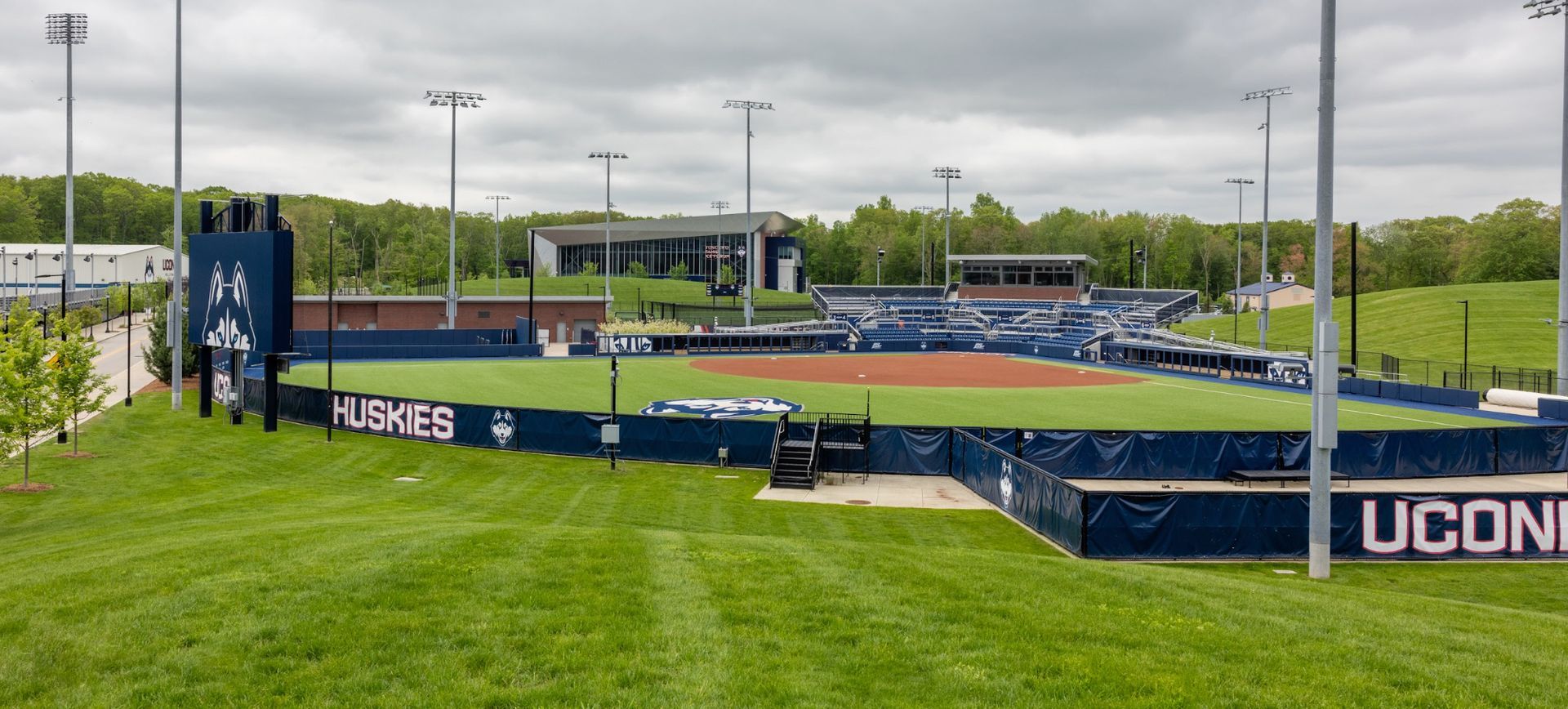
Maintaining healthy, uniform turf improves a commercial property entrance by creating a clean and consistent landscape around entrances, road frontage, signs, and walkways.
Commercial turf maintenance can include:
- Mowing
- Edging
- Bare-area repair
- Weed control
- Fertilization
- Reseeding
- Turf repair
- Removal of clipping from paved surfaces
Healthy turf near a commercial entrance should appear uniform, properly cut, and free from large bare or weed-filled areas.
Brown turf, thin grass, poor edging, and weeds become more noticeable when they appear near a driveway or front entrance.
Turf problems may result from poor irrigation, compacted soil, foot traffic, drainage, insects, disease, or poor growing conditions. Correcting the cause helps maintain turf appearance over time.
Maintain Trees and Shrubs
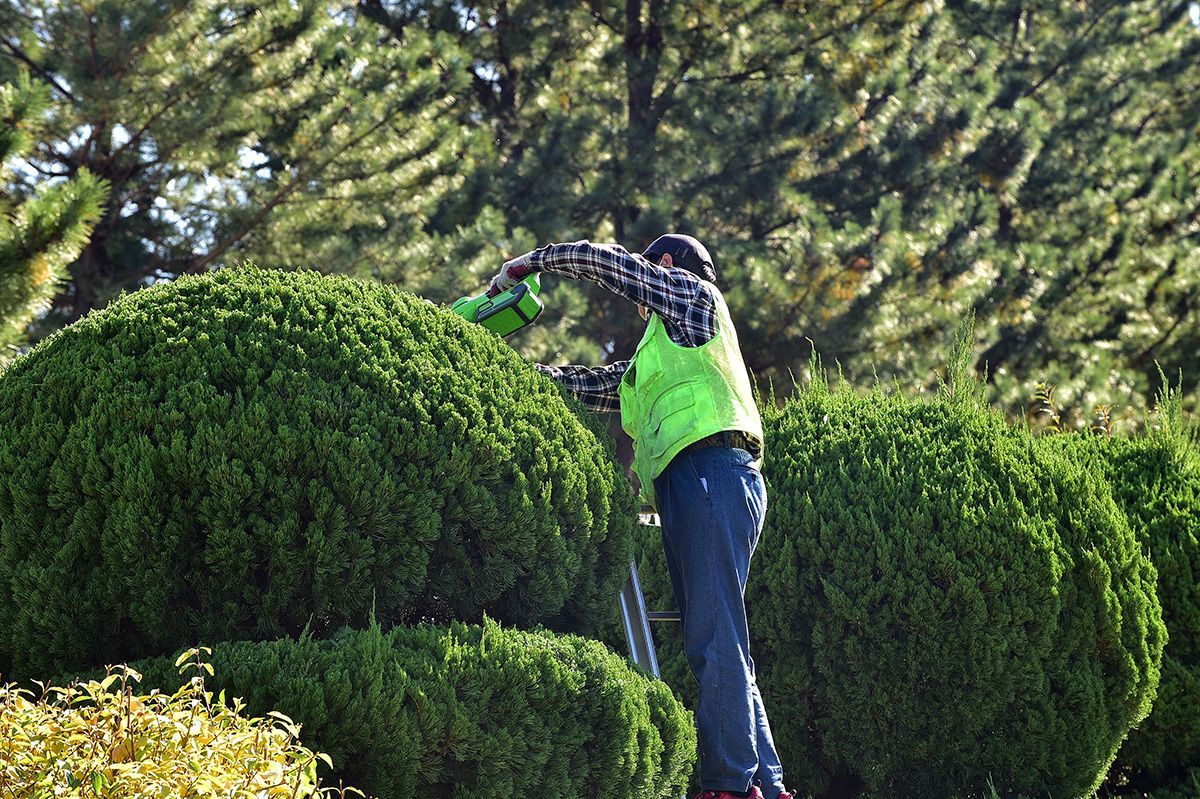
Maintaining trees and shrubs improves a commercial property entrance by keeping plants healthy, controlled, attractive, and clear of important sightlines.
Commercial tree and shrub care may include:
- Pruning
- Plant health inspections
- Shape control
- Dead branch removal
- Signage clearance
- Walkway clearance
- Plant replacement planning
Trees and shrubs near commercial entrances should frame the property without hiding signs, windows, lighting, or architectural features.
Overgrown shrubs can block monument signs. Low branches can interfere with sidewalks. Dead or damaged growth can make an otherwise maintained entrance appear neglected.
Routine tree and shrub care helps maintain the intended appearance of the commercial frontage.
Refresh Landscape Beds
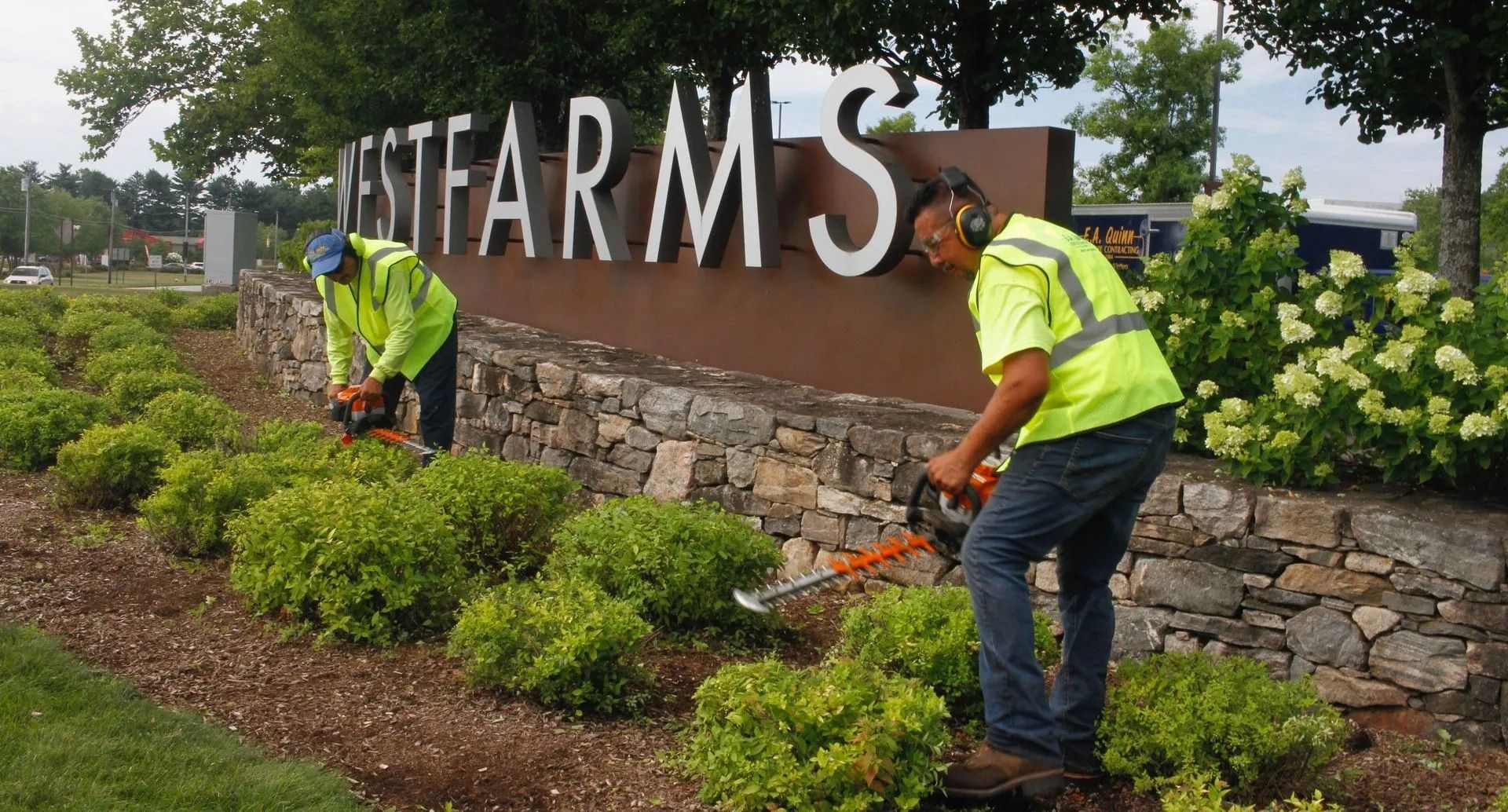
Refreshing landscape beds improves a commercial property entrance by keeping high-visibility planting areas clean, defined, and well maintained.
Commercial landscape bed maintenance may include:
- Bed cleanup
- Edging
- Mulch installation
- Weed removal
- Plant pruning
- Dead plant removal
- Plant replacement
- Seasonal color
Landscape beds are often located beside entrances, signs, parking areas, and walkways. Their condition has a direct effect on commercial curb appeal.
Fresh mulch, clean edges, healthy plants, and weed control help create a finished appearance.
Dead plants, faded mulch, bare soil, and weeds can make commercial entry landscaping appear neglected.
Improve Entry and Signage Areas
Improving entry and signage areas helps commercial landscaping support both curb appeal and clear property identification.
Landscaping around commercial entrances and signs should frame those features without covering them or blocking line of sight.
EAQ Landscape’s entry and signage maintenance may include:
- Installing seasonal plantings
- Trimming shrubs below sign lettering
- Pruning branches away from signs
- Controlling ornamental grasses
- Removing weeds around sign bases
- Maintaining clear driveway sightlines
- Replacing plants that have outgrown the space
Commercial signage should remain visible from the directions where visitors and drivers approach the property.
Proper plant height and growth control help the landscape support the sign instead of competing with it.
Repair Worn Landscape Areas
Repairing worn landscape areas improves a commercial property entrance by correcting visible damage near high-traffic and high-visibility locations.
Common worn landscape areas include:
- Damaged turf
- Compacted soil
- Dead plants
- Washouts
- Damaged edging
- Bare soil
- Worn planting beds
- Vehicle-damaged areas
- Foot-traffic damage
Worn areas near the main entrance can have a stronger effect on curb appeal than similar damage in less visible locations.
Commercial landscape repairs should focus first on the areas people see when they arrive.
Routine site inspections can identify these problems before they become larger or more noticeable.
Repairing worn landscape areas improves a commercial property entrance by correcting visible damage near high-traffic and high-visibility locations.
Common worn landscape areas include:
- Damaged turf
- Compacted soil
- Dead plants
- Washouts
- Damaged edging
- Bare soil
- Worn planting beds
- Vehicle-damaged areas
- Foot-traffic damage
Worn areas near the main entrance can have a stronger effect on curb appeal than similar damage in less visible locations.
Commercial landscape repairs should focus first on the areas people see when they arrive.
Routine site inspections can identify these problems before they become larger or more noticeable.
Control Irrigation and Water Coverage
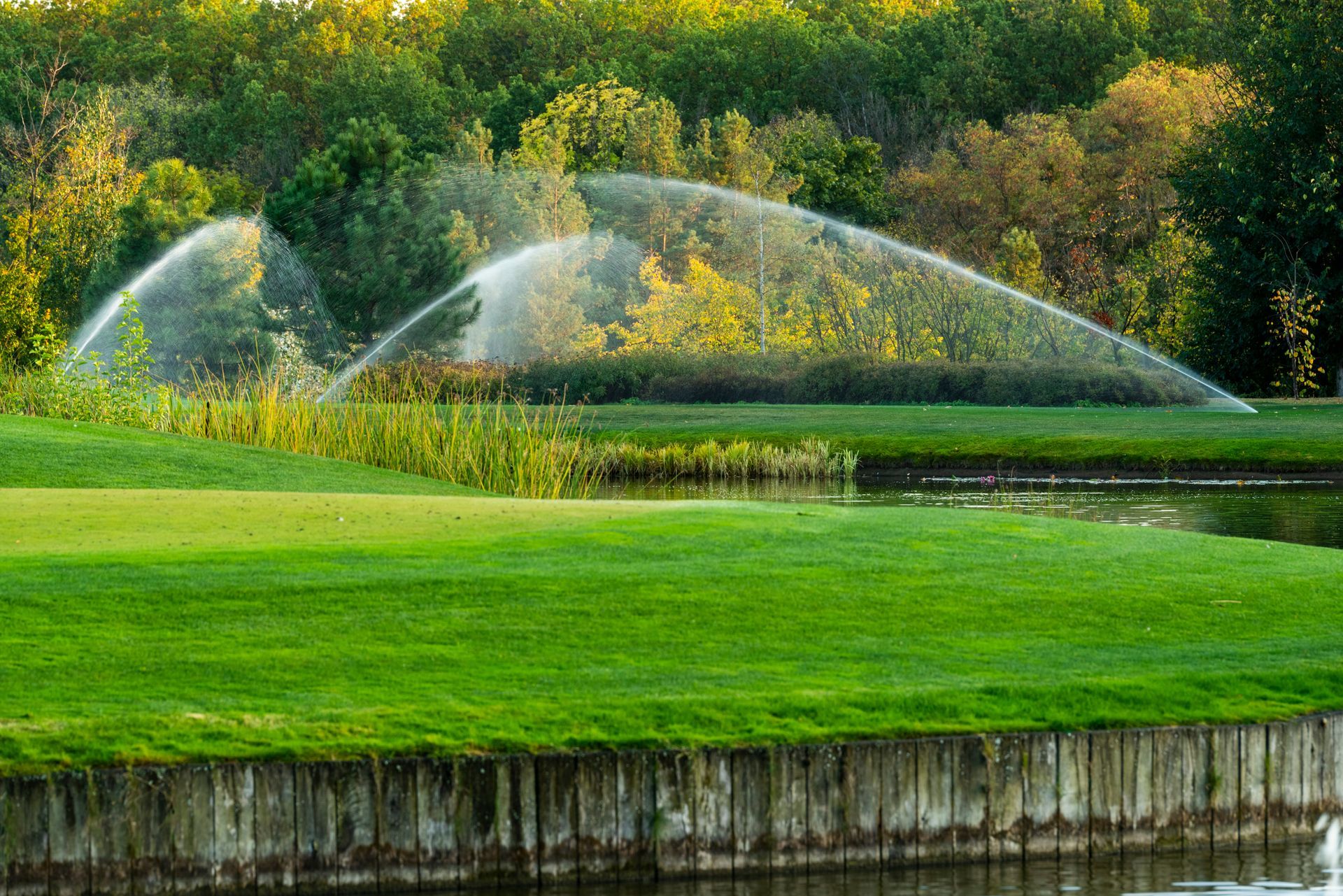
Controlling irrigation and water coverage improves a commercial property entrance by helping turf, shrubs, trees, and planting beds receive the water they need without creating runoff or overspray.
Poor commercial irrigation can lead to:
- Brown turf
- Stressed plants
- Dry beds
- Standing water
- Runoff
- Overspray
- Uneven plant growth
- Wet sidewalks
Commercial irrigation systems near entry areas should be checked for proper coverage, broken heads, leaks, timing, and watering patterns.
Irrigation coverage may need adjustment as plants grow or weather conditions change.
Proper irrigation helps protect the appearance of commercial entry landscaping throughout the growing season.
How Does Seasonal Landscaping Affect Entry Appearance?
Seasonal landscaping affects commercial entry appearance because turf, plants, beds, trees, shrubs, and irrigation needs change throughout the year.
Commercial entry curb appeal requires seasonal landscaping that responds to spring growth, summer heat, fall leaves, winter damage, and changing plant needs.
Spring Landscaping
Spring landscaping can include:
- Spring cleanup
- Winter damage assessment
- Bed edging
- Mulch installation
- Turf repair
- Plant replacement
- Irrigation startup
- Seasonal planting
Spring landscaping helps restore the commercial entrance after winter and prepares visible landscape areas for the growing season.
Summer Landscaping
Irrigation system inspections evaluate the complete system rather than replacing only the first visibly damaged component.
EAQ’s inspection reports can include:
- Controller programming
- Zone-by-zone operation
- Valve performance
- Sprinkler heads and nozzles
- Drip lines and emitters
- Water pressure
- Head alignment and spacing
- Distribution and coverage
- Rain and soil-moisture sensors
- Flow-monitoring functions
- Leaks and underground losses
- Runoff and pavement overspray
- Seasonal schedules
- Written findings and recommended corrections
- Site photographs
- Flow testing
- Catch-can or distribution testing
- Water-budget calculations where applicable
A full inspection connects system performance with visible landscape conditions. Brown turf, declining shrubs, saturated soil, pavement runoff, and excessive water use should be evaluated alongside the mechanical system.
The Irrigation Association’s audit guidance treats site conditions, field measurements, system performance, distribution, scheduling, and recommended improvements as connected parts of an irrigation evaluation.
Irrigation System Repairs
Fall landscaping helps keep a commercial entrance clean as leaves fall and growing conditions change.
Fall work may include:
- Leaf management
- Bed cleanup
- Turf cleanup
- Plant maintenance
- Final seasonal planting care
- Preparation for colder weather
Heavy leaf buildup near commercial entrances can quickly make a maintained property appear neglected.
Winter Damage and Spring Restoration
Winter conditions can damage commercial entry landscaping through snow, ice, salt, plowing, wind, and cold temperatures.
Common winter damages include:
- Broken branches
- Salt-damaged turf
- Damaged shrubs
- Plow damage
- Compacted areas
- Damaged bed edges
Spring restoration should correct this damage before the property enters the main growing season.
Seasonal landscaping keeps commercial entry appearance consistent instead of treating curb appeal as a one-time project.
What Common Problems Make a Commercial Entrance Look Neglected?
Common problems that make a commercial entrance look neglected include weeds, overgrown plants, dead vegetation, damaged turf, poor edging, hidden signage, irrigation problems, and debris.
The most common commercial entrance appearance problems include:
- Overgrown shrubs
- Weeds
- Dead plants
- Brown turf
- Thin tuf
- Faded mulch
- Poor edging
- Bare plating beds
- Hidden signage
- Irrigation leaks
- Litter
- Debris
- Broken branches
- Worn high-traffic areas
These problems have a greater visual effect when they appear near the main commercial entrance.
One small issue may not make a property appear neglected. Several small issues in the same high-visibility area can have a much stronger effect.
For example, faded mulch combined with weeds, dead plants, damaged edging, and overgrown shrubs can make an entrance look poorly maintained even when the turf has been recently mowed.
Routine commercial landscape inspections can identify these appearance problems before they become more noticeable.
How Can Landscaping Improve Commercial Signage Visibility?
Landscaping can improve commercial signage visibility by keeping shrubs, trees, grasses, groundcover, and other vegetation from blocking the sign.
Commercial signage visibility depends on clear sightlines from the road, driveway, parking entrance, and other common approach directions.
Landscaping around commercial signs may include:
- Trimming shrubs below lettering
- Pruning branches away from signs
- Controlling plant height
- Managing fast-growing vegetation
- Removing dead plants
- Removing weeds
- Maintaining clean bed edges
- Replacing plants that grow too large
Commercial plants should be selected and maintained based on mature size, not only their appearance when first installed.
A small shrub may fit well beside a monument sign when planted but eventually block lettering as it matures.
Proper landscaping keeps commercial signage visible while still allowing plants to frame the entrance and support curb appeal.
How Often Should Commercial Entry Landscaping Be Maintained?
Commercial entry landscaping should be maintained as often as needed based on season, turf growth, plant material, weather, property use, and the site's appearance standards.
There is no single commercial landscaping maintenance schedule that fits every property.
Routine Mowing and Cleanup
Routine mowing and cleanup should follow turf growth and property presentation needs.
Periods of rapid growth may require more frequent mowing. Dry periods may reduce growth while increasing the need for irrigation monitoring.
Landscape Bed Maintenance
Landscape bed maintenance should be performed when weeds, debris, damaged plants, or faded materials begin affecting appearance.
Bed maintenance may include cleanup, weed removal, edging, plant care, and mulch touchups.
Shrub Pruning
Shrub pruning should be based on plant species, growth rate, flowering patterns, sightlines, and the intended shape of the landscape.
Some shrubs may require more frequent control near entrances and signs.
Seasonal Planting
Seasonal planting schedules depend on climate, property goals, planting locations, and the desired length of seasonal color.
Highly visible entrance beds may receive more seasonal attention than lower-priority areas.
Mulching
Mulching should be scheduled based on mulch condition, depth, appearance, weed pressure, and bed needs.
Additional mulch should not simply be added each year without checking existing depth.
Irrigation Inspections
Irrigation inspections should occur when systems are started, adjusted, or showing signs of leaks, dry areas, runoff, or overspray.
Weather changes may also require irrigation adjustments.
Plant Replacement
Plant replacement should be based on plant condition, decline, damage, and appearance rather than a fixed calendar.
Commercial entry landscaping should follow the needs of each landscape element instead of one universal maintenance schedule.
How Should Property Managers Evaluate Entry Curb Appeal?
Property managers should evaluate entry curb appeal by looking at the commercial property from the same locations customers, tenants, visitors, and employees use.
A commercial curb appeal inspection should review the property from the road, driveway entrance, parking lot, main walkway, and building entrance.
1. Evaluate Curb Appeal From the Road
From the road, evaluate the overall commercial frontage.
Look at:
- Turf condition
- Tree and shrub shape
- Sign visibility
- Weed growth
- Landscape bed condition
- Overall cleanliness
This view shows the first impression presented to passing traffic and arriving visitors.
2. Evaluate Curb Appeal From the Driveway Entrance
At the driveway entrance, look for visible maintenance problems.
Check:
- Turf
- Edging
- Shrubs
- Signs
- Weeds
- Litter
- Irrigation issues
- Damaged areas
- Sightlines
The driveway entrance often provides the first close view of the property.
3. Evaluate Curb Appeal From the Parking Lot
From the parking lot, review the landscape between the vehicle and the building.
Look at:
- Parking lot islands
- Perimeter beds
- Trees
- Shrubs
- Turf
- Walkway edges
- Building approaches
These areas shape the visitor's experience after entering the property.
4. Evaluate Curb Appeal From the Main Walkway
Walk the same path a customer or tenant uses.
Check for:
- Overgrown plants
- Weeds
- Damaged turf
- Debris
- Poor edging
- Irrigation overspray
- Bare soil
- Dead plants
This view reveals issues that may be less visible from a vehicle.
5. Evaluate Curb Appeal From the Building Entrance
At the building entrance, look back across the property.
Evaluate whether turf, beds, plants, walkways, signs, and frontage present a consistent appearance from the building to the road.
This five-point inspection helps property managers evaluate commercial entry curb appeal from the visitor's perspective rather than only from a maintenance list.
What Should You Look for in a Commercial Landscaping Company?
Property managers should look for a commercial landscaping company with experience maintaining high-visibility entrances, road frontage, signage areas, turf, plants, irrigation, and landscape beds.
Important commercial landscaping company qualifications include:
- Commercial property experience
- Ability to maintain several landscape elements
- Consistent service schedules
- Seasonal planning
- Irrigation knowledge
- Tree and shrub care
- Clear communication
- Routine site inspections
- Enhancement services outside the maintenance contract
- Ability to identify appearance problems early
Commercial property experience is important because different property types have different traffic levels, landscape needs, and appearance standards.
A commercial landscaping company should also do more than complete routine mowing.
The company should be able to identify:
- Irrigation problems
- Declining shrubs
- Dead plants
- Damaged turf
- Hidden signage
- Worn beds
- Broken branches
- Entry-area repairs
Identifying these problems early helps maintain a consistent commercial frontage instead of waiting until issues become obvious.
Not sure if your current provider is doing a good job, download our Commercial Property Scorecard (https://www.eaqlandscape.com/landscape-score)
How Can a Commercial Landscaping Plan Improve Entry Curb Appeal?
A commercial landscaping plan can improve entry curb appeal by coordinating turf care, pruning, landscape bed maintenance, irrigation, seasonal work, repairs, and property inspections.
Commercial entry curb appeal is strongest when these services are managed together rather than as isolated landscaping tasks.
A commercial landscaping plan can coordinate:
- Mowing
- Turf care
- Tree and shrub maintenance
- Bed maintenance
- Irrigation
- Seasonal cleanup
- Seasonal planting
- Landscape repairs
- Site inspections
Mowing supports turf appearance. Pruning controls trees and shrubs. Bed maintenance improves high-visibility planting areas. Irrigation supports plant health. Seasonal services respond to changing conditions. Repairs correct worn areas.
Routine inspections connect these services by identifying where work is needed.
A coordinated commercial landscaping plan helps maintain entrances, road frontage, parking approaches, signs, walkways, and building entrances throughout the year.
Related Commercial Landscaping Services
Commercial entry curb appeal connects with several related commercial landscaping services.
Commercial Turf Services
Commercial turf services support healthy, uniform turf near road frontage, commercial entrances, signs, walkways, and other high-visibility areas.
Tree and Shrub Care
Commercial tree and shrub care helps maintain plant health, shape, clearance, sightlines, and appearance around entrances and signs.
Commercial Irrigation
Commercial irrigation helps maintain proper water coverage for turf, trees, shrubs, landscape beds, and seasonal plants.
Landscape Bed Maintenance
Commercial landscape bed maintenance helps control weeds, define bed edges, maintain mulch, manage plants, and improve entrance appearance.
Landscape Restoration
Commercial hardscape restoration can address worn or damaged paved areas, edging, walls, and related features that affect commercial entry appearance.
Seasonal Cleanup
Commercial seasonal cleanup helps manage leaves, debris, winter damage, spring restoration, and other seasonal conditions that affect entry curb appeal.
Choosing the Right Commercial Landscaper Matters
Together, these related commercial landscaping services support a consistent property appearance from the road to the building entrance.
EAQ Landscape provides commercial landscaping services for businesses, property managers, municipalities, schools, and other commercial properties in Connecticut, Massachusetts, and Rhode Island. Contact us to see how we can help your business make a great first impression.