
10 THINGS THAT EVERY LANDSCAPE DESIGN NEEDS
cdavis • January 5, 2017
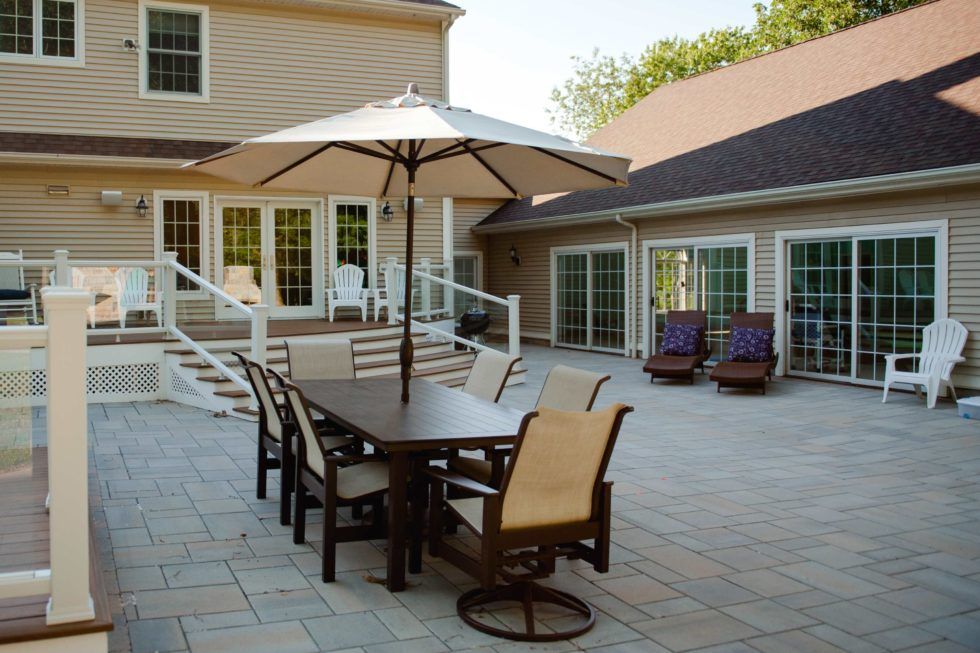
Whether you are looking for a formal or informal outdoor space — or a mix of both — you want your outdoor living area to be a place where you and your guests want to stay and relax.
Here are 10 basic things that your landscape design should include to give you an enjoyable outdoor space.
- Pathways – Not every path needs to be wide, but for those that will handle a bit of traffic, paths should be at least wide enough for two people to walk side-by-side. If your landscape has different elevations, make sure steps are easy to use and if you have more than 10 steps, including a landing every 4 th or 5 th step that is as deep as the path is wide.
- Patios – If used for dining, make sure your patio is big enough to accommodate not only seating and dining, but mingling as well. Think about how many people you’ll be having over for dinner on a somewhat regular basis. Plan at least 4 square feet for each of those people. Leave 3 feet of breathing space around each piece of furniture on the patio so that people can easily move without bumping into things.
- Surfaces – Be careful about your choice for hardscape materials. Some may become slippery when wet. Make sure that the material you choose provides secure footing under all conditions. Hard surfaces should be slightly sloped to keep water from pooling.
- Height – If your design has any overhead structures, roofs, etc., make sure they are at least 7 feet above the ground. If things will be growing underneath, add an additional 5 to 18 inches. In time as the landscape matures, plants will begin to fill in and you’ll be glad you added that extra height.
- Think ahead – Most gardeners plant with an eye for what looks good now when setting out plants, forgetting how large that plant will be in 5 years. Plant permanent plants where they can be comfortable and then fill in that grow space with filler type plants that will be short lived or can be easily moved later.
- Ouch! – Keep tall plants and prickly plants well away from walkways and patio edges.
- Flowers – When selecting flowering plants that go through a natural cycle of budding, blooming, and fading, keep in mind what these plants will look like when not in bloom. Many plants are show piece plants in the fall with brilliant late season color from changing leaf color. Consider in the plan a few specimens that add in interesting flavor to the overall gray background in the winter.
- Lawn – Grass should almost always be considered as a pleasing balance to garden beds – there is nothing so inviting as an expanse of soft green you can walk across.
- Trees and shrubs – Shade and wind breaks add additional comfort to your landscaped room, providing living privacy screens. Even in the smallest landscape trees can be tastefully used.
- The future – Pre-planning for future expansion will save you both time and money. Make sure new plants won’t grow into big problems for you or your neighbors.
The most important qualities of a well planned landscape are comfort and usability. The preceding 10 tips should be considerations when working on any plan. EAQ (formerly E.A. Quinn) can help to take you through Design to Installation to Maintenance of your new outdoor living area. Contact us today for more information.
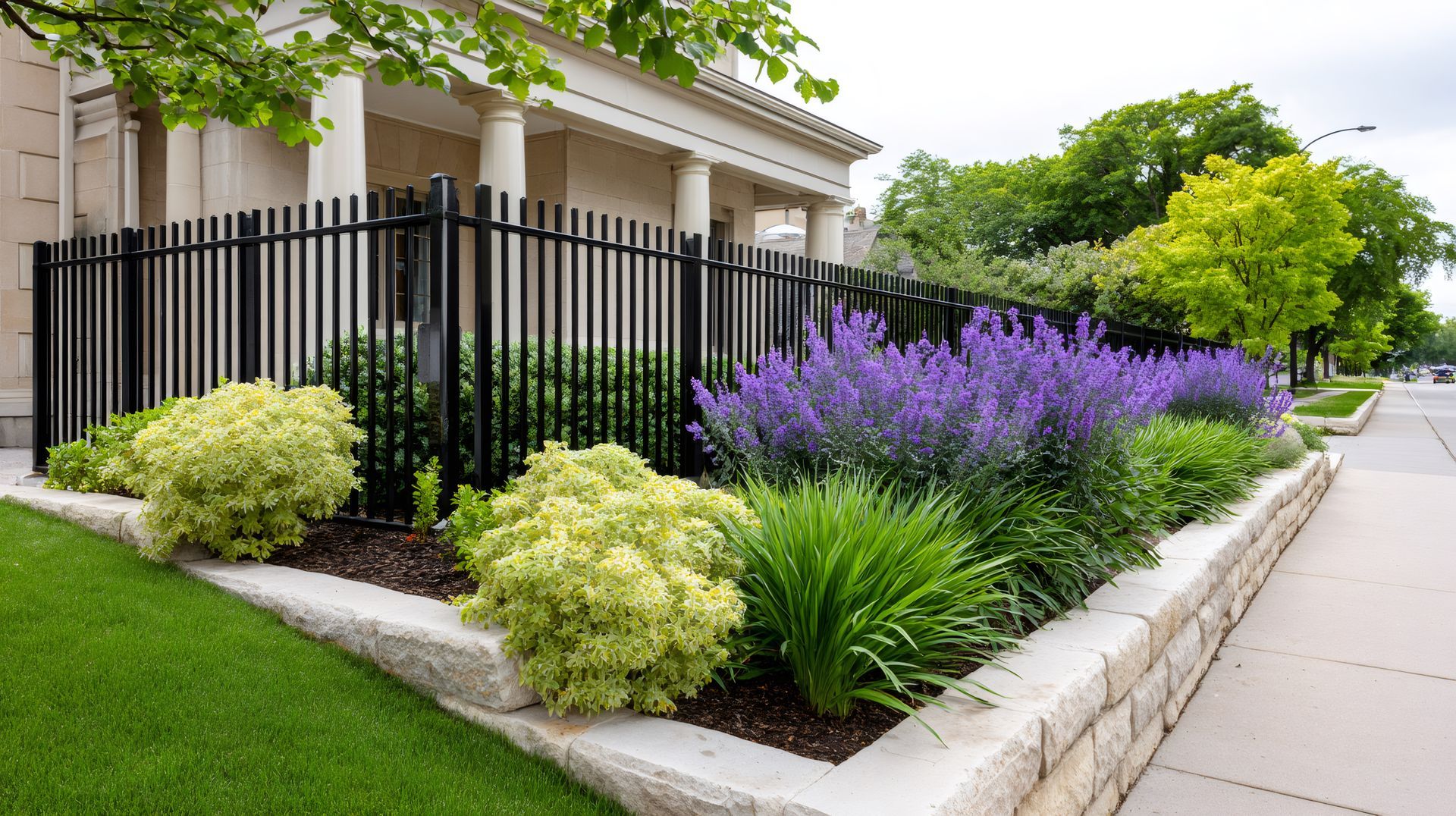
Commercial entry curb appeal affects how customers, tenants, visitors, employees, and prospective occupants first experience a commercial property. Commercial entry landscaping improves curb appeal by maintaining the visible areas surrounding property entrances, road frontage, driveways, parking entrances, walkways, signage, and building approaches. Commercial frontage landscaping combines turf, planting beds, trees, shrubs, hardscape edges, signage areas, irrigation, cleanup, and seasonal maintenance. These landscape elements work together to create a clean and well-maintained commercial entrance. Commercial curb appeal is not created by one landscaping feature. It depends on the combined condition of the property's most visible exterior areas.
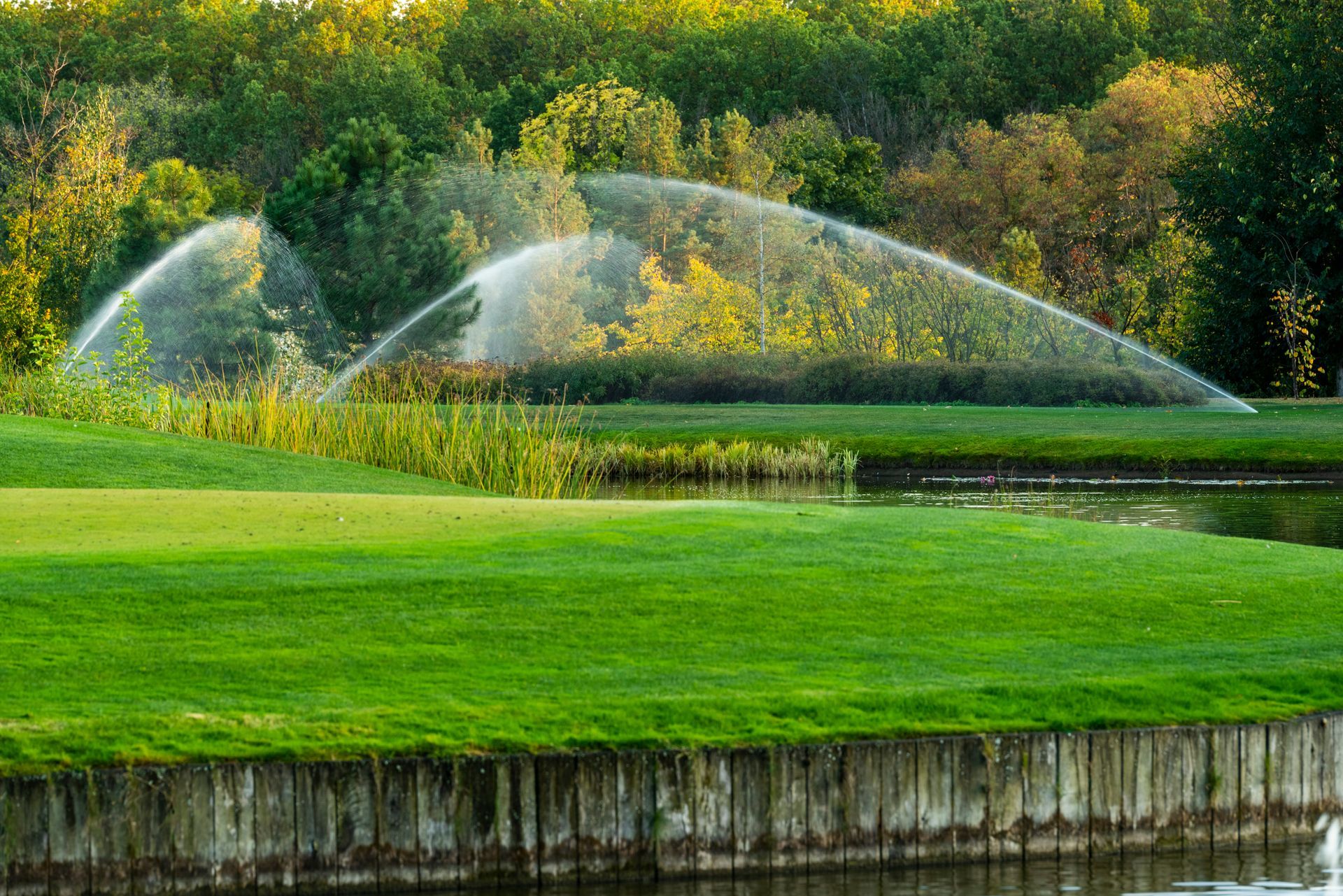
Commercial property irrigation services manage how water reaches turf, trees, shrubs, and planting beds across business and institutional landscapes. Proper coverage supports plant health, creates a more consistent appearance, controls unnecessary water use, and protects the property’s long-term landscape investment. Property managers, facility teams, commercial owners, schools, municipalities and multi-site operators depend on irrigation systems to perform under changing weather and property conditions. A system must do more than turn on at a scheduled time. It must deliver the right amount of water to each part of the landscape without creating dry areas, flooding, runoff, or repeated overspray.
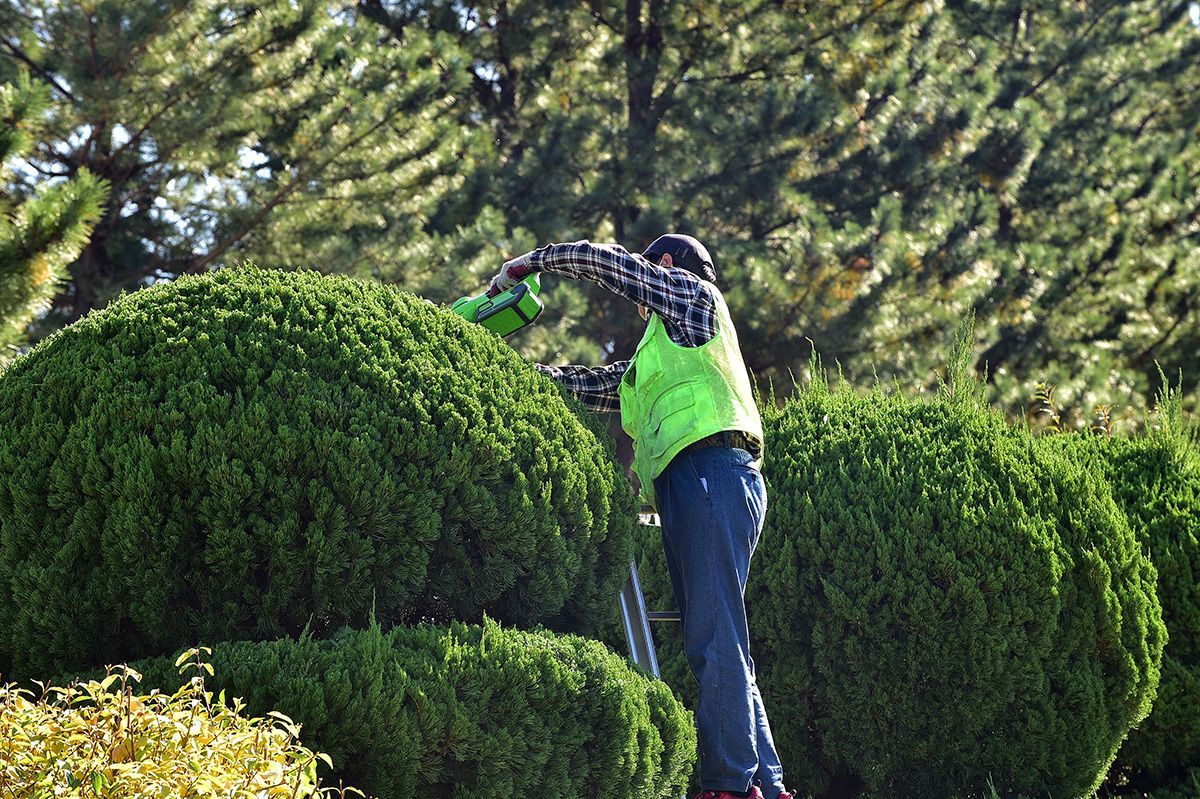
Commercial property management is a balancing act between curb appeal, safety, and long-term value. Buildings usually get the most attention, but the landscape, especially the trees and shrubs, function as the property's living infrastructure. A well-maintained tree canopy or shrub line does more than look good. It protects the investment, reduces liability, and shapes the first impression tenants, customers, and visitors get before they ever step through the door.
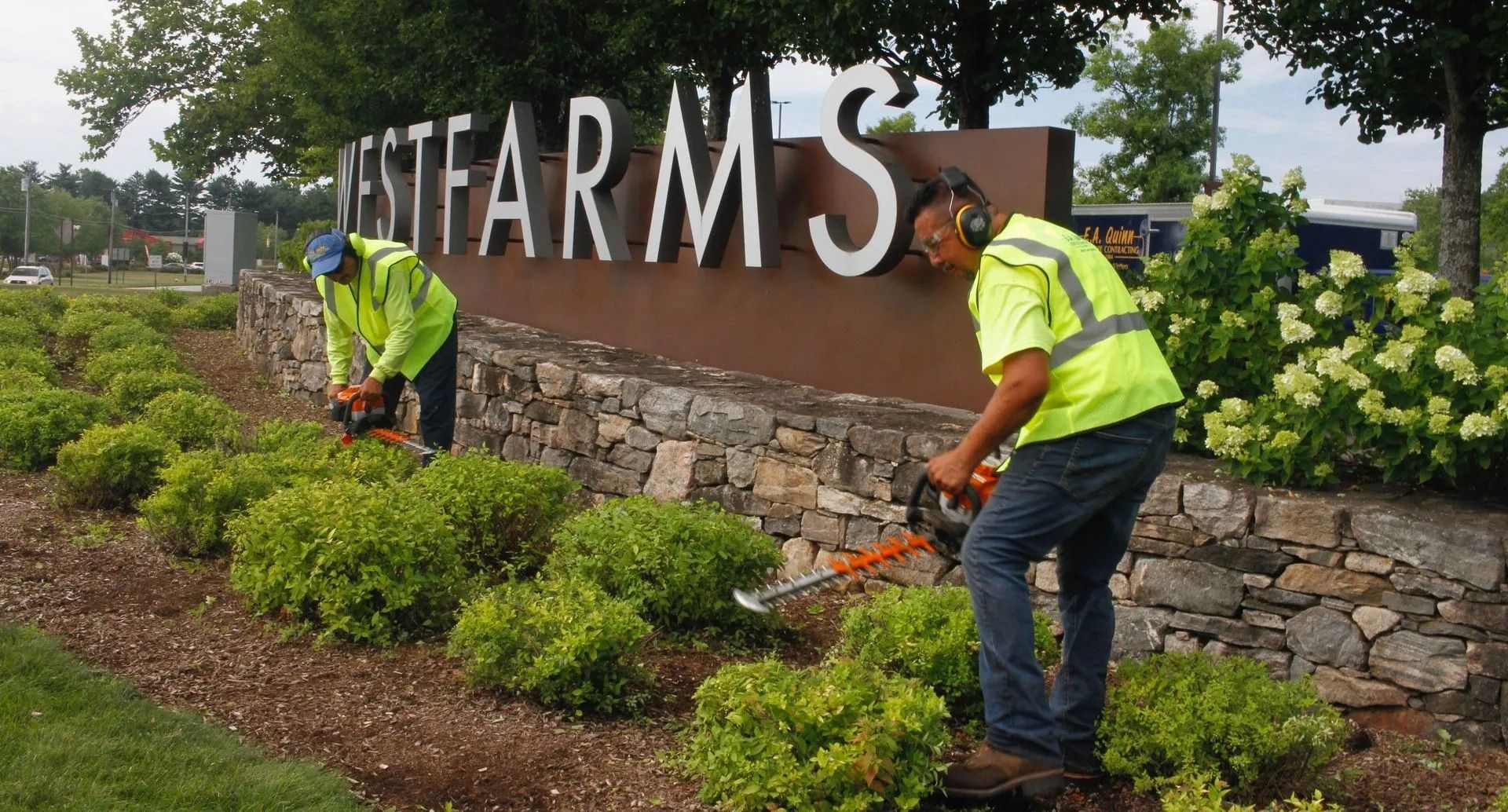
Commercial hardscape restoration is a specialized service dedicated to repairing, cleaning, resetting, and renewing exterior built surfaces.
Walk a campus or commercial property after a wet spring week and the turf usually tells the story fast. Bare areas near entrances, muddy tracks across open lawns, weed pressure along drives, and thin grass in high-traffic zones all point to bigger maintenance issues. Commercial turf services cover far more than mowing. A strong program protects appearance, supports grass health, improves safety, and helps turf recover from traffic, heat, storms, and winter stress. At EAQ Landscaping, we build turf programs around the full picture, not just the cut. This guide explains what commercial turf services should include, how service needs change by property type, and what to look for in a provider that can deliver reliable results season after season.
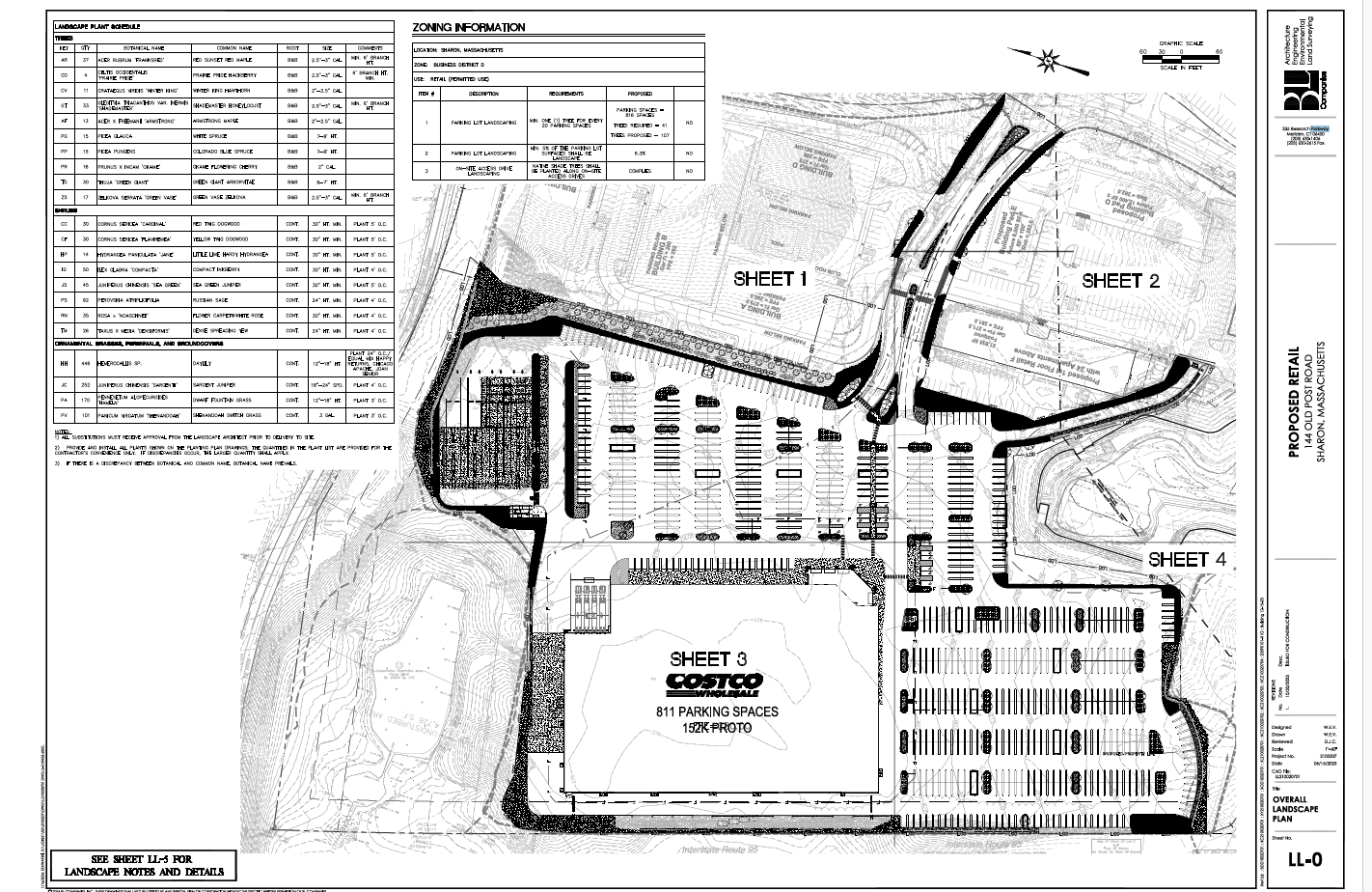
Landscape compliance defines how commercial sites are planned and built under local and regional rules. It sets limits on grading, drainage, hardscape, structures, planting, and safety. Local oversight often involves multiple agencies, each reviewing a different part of the site and final plans. When these reviews are handled out of order, projects can slow, costs can rise, and approvals can stall. Proper landscape compliance management keeps plans aligned, reviews moving, and work cleared to proceed without interruption.
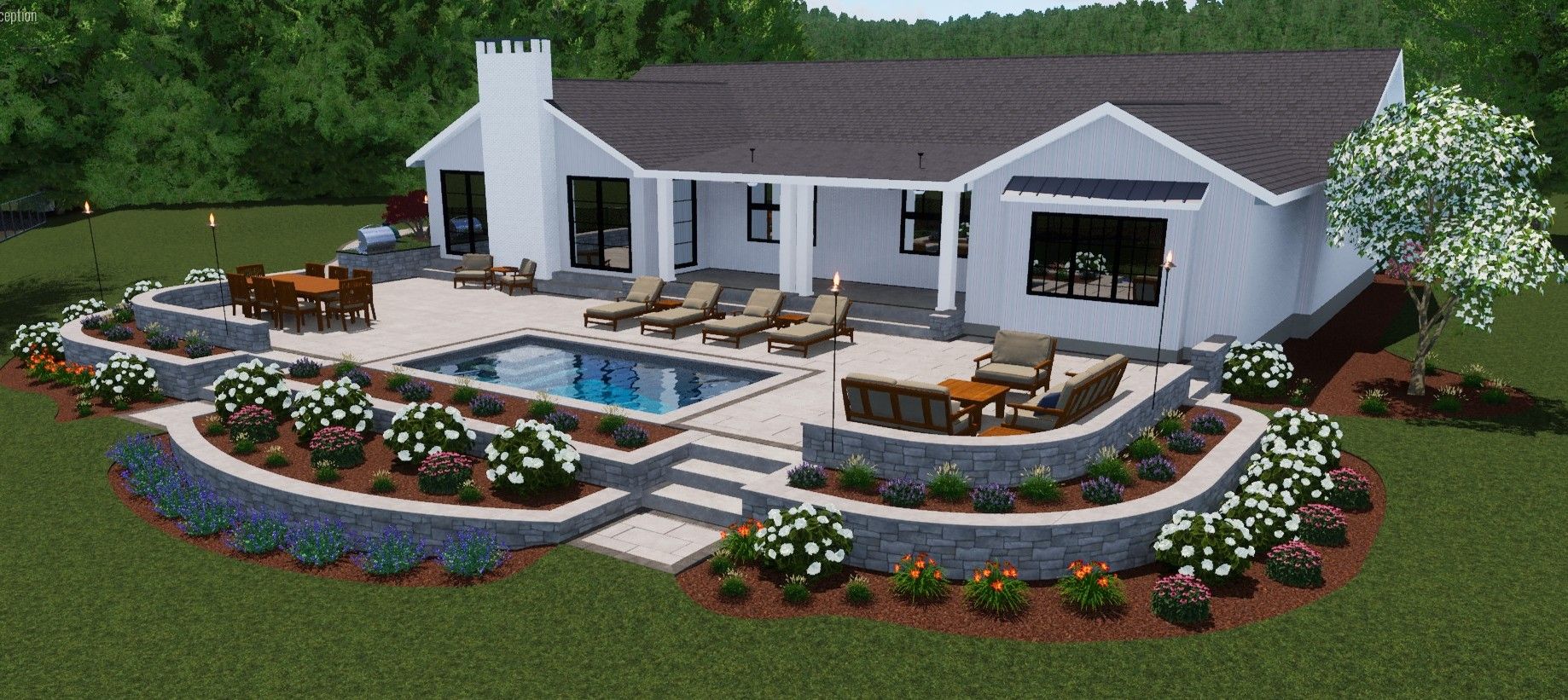
Computer based design turns site concepts into exact build plans before work starts. Every path, slope, pipe, and plant location is defined in one shared file, giving crews, inspectors, owners, plus towns the same view. On large commercial properties, this clarity cuts errors, limits rework, and keeps costs steady by aligning planning, field execution, and approvals from day one. At EAQ (formerly E.A. Quinn), designs become live job files. Crews load drawings on tablets, follow grades and layouts, and record any changes on site. Project leads send the same file to towns and owners, so approvals, installs, plus updates stay in sync.
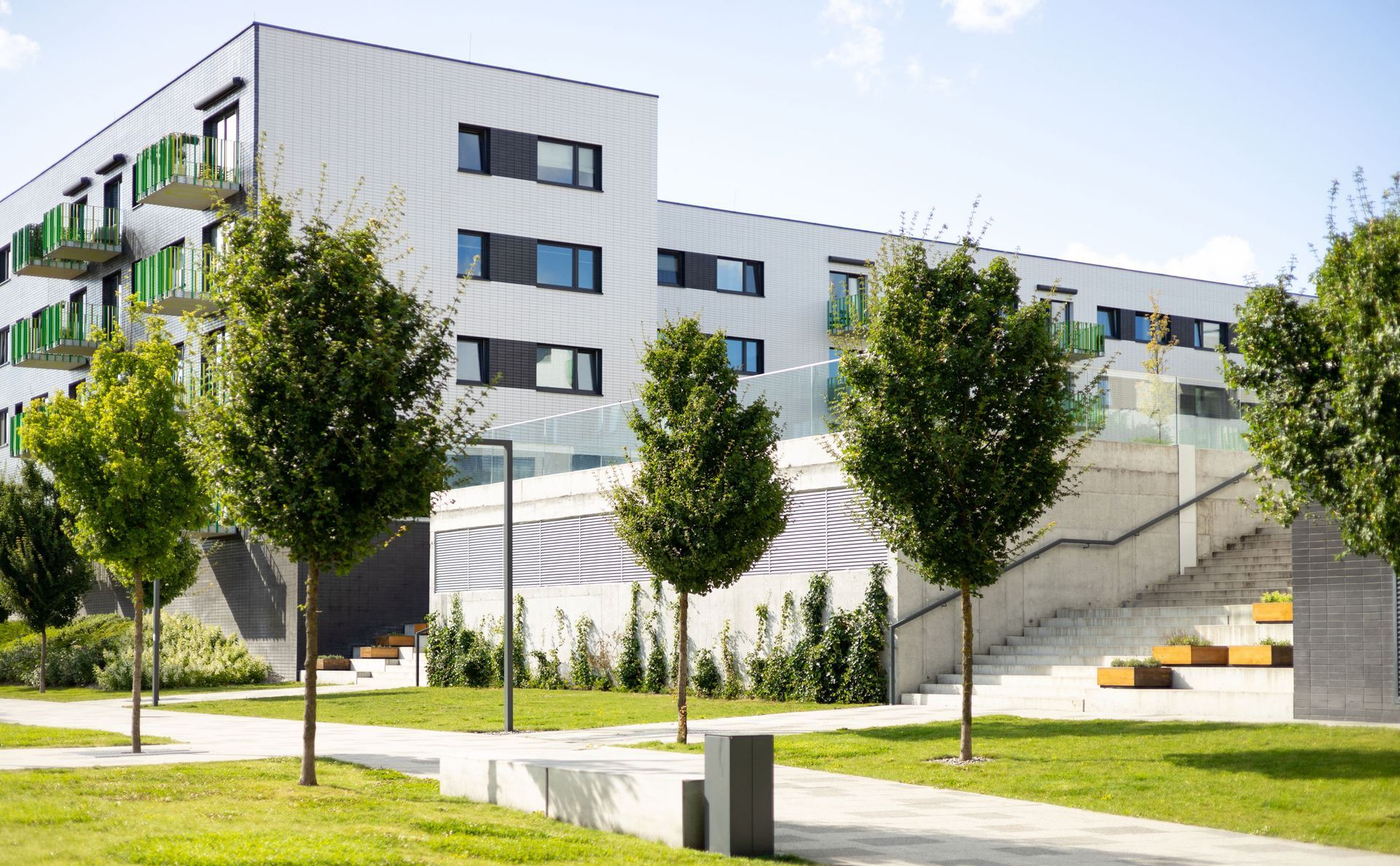
For property managers and business owners, the grounds are now a strategic asset impacting tenant retention, brand perception, and operational efficiency. Hiring separate contractors for mowing, irrigation, and enhancements no longer meets current demands. This outdated model creates communication gaps, conflicting priorities, and missed opportunities. The solution lies in replacing transactional services with a comprehensive partnership model. This piece explores how working with an integrated landscaping partner aligns outdoor management with business objectives and moves beyond basic upkeep to create measurable value.
We’re proud to share that EAQ (formerly E.A. Quinn) Landscape Contracting has been honored with a 2025 HOBI Award. This recognition celebrates our dedication to design excellence, craftsmanship, and creating outdoor spaces that truly elevate the way our clients live. Thank you to our partners and our client who make these achievements possible Provision Media, Oxford Builders, Jack Kemper Architect, Richter & Cegan, Romex, SKM Designs

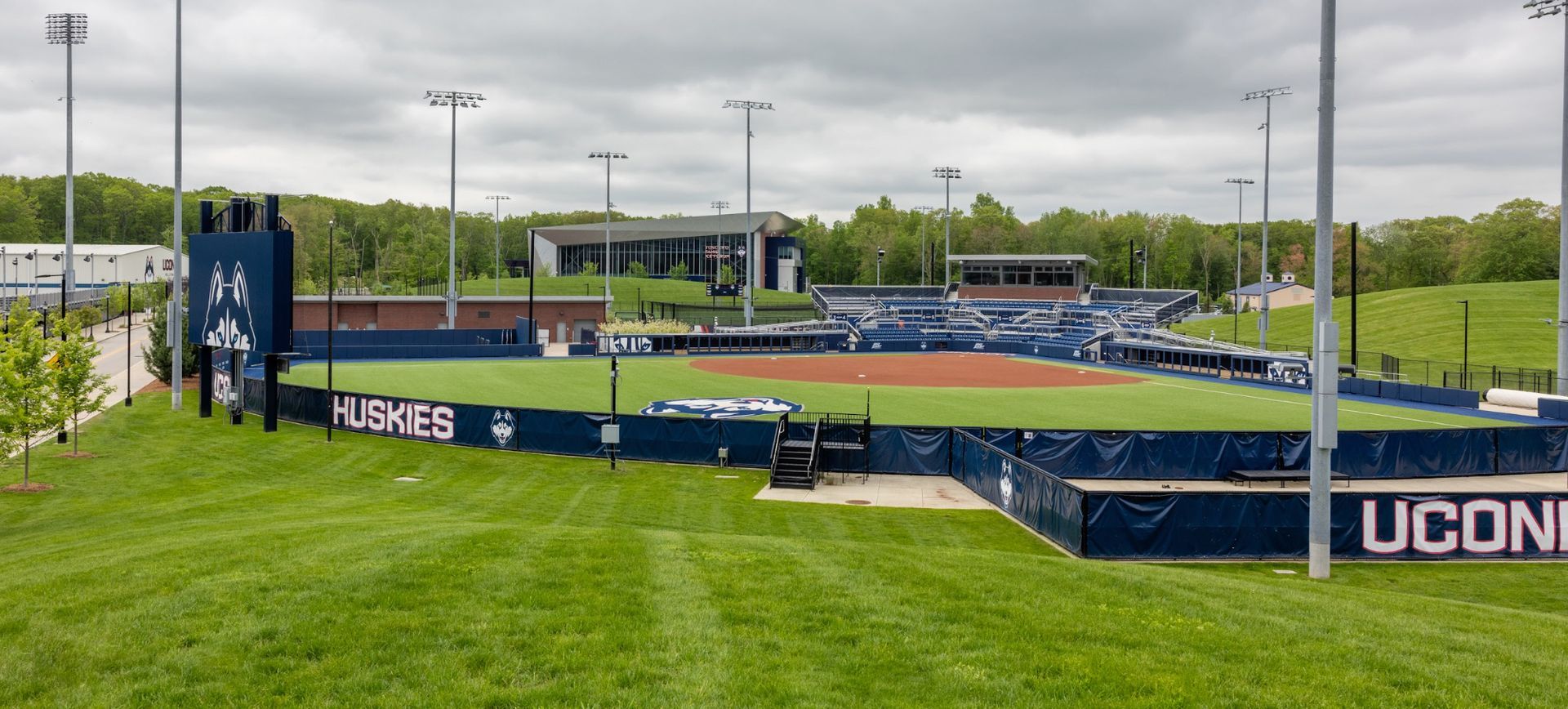
EAQ (formerly E.A.Quinn) is proud to be recognized with a Silver Award from the National Association of Landscape Professionals for our work at the University of Connecticut. This honor highlights our ongoing partnership with UConn and the dedication of our team in maintaining over 400 acres of campus grounds with care and precision. From supporting campus events to preserving natural spaces, we're proud to help keep UConn looking its best year-round.